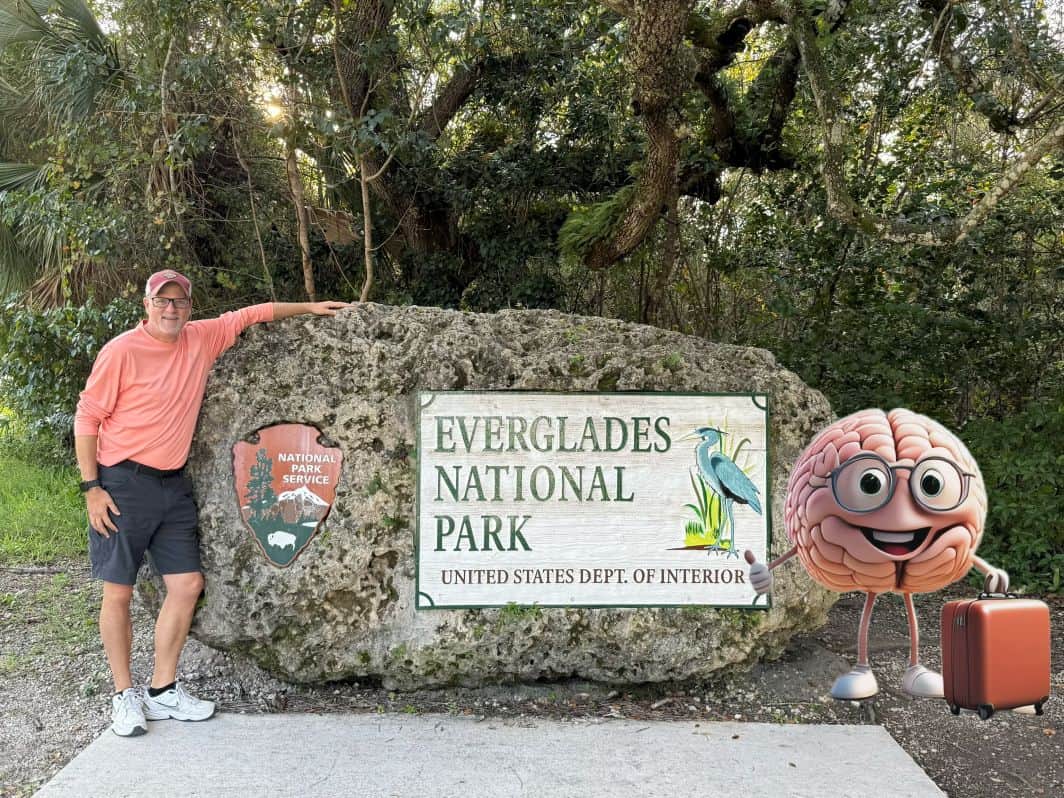
Everglades National Park: A Wonder on the 63 National Park Challenge
There’s something almost otherworldly about the Everglades. At first glance, it looks simple. But spend just a few minutes here, and you realize the landscape is alive in quiet, intricate ways. The grass ripples with a whisper of wind, water flows beneath the surface, and birds move in elegant harmony across the sky. It’s the kind of beauty that hums, soft and steady, like nature’s meditation.
The Everglades is fondly called “The River of Grass,” a slow-moving movement of water that flows from Lake Okeechobee down to Florida Bay. It’s vast, 1.5 million acres of wetlands, mangroves, and marshes that form a unique natural environment. It’s home to more species of birds than you can count, ancient-looking alligators basking in the sun, and even a few elusive crocodiles that share this watery world.
Join us as we journey through the park’s vast expanse. Exploring its wild beauty and discovering why this national treasure feels like stepping into another world!
The Everglades – Welcome to the River of Grass
It’s hard to grasp just how vast the Everglades really are until you’re standing in the middle of them. The horizon stretches in every direction, a mix of water, grass, and sky that seems to go on forever. It’s one of those places that defies the imagination!
Most people think of the Everglades as a swamp, but that’s only part of the story. In reality, it’s a river. A river that moves so slowly you can hardly see it flow.

This “River of Grass,” as naturalist Marjory Stoneman Douglas so perfectly described it, begins near Lake Okeechobee in central Florida. From there, fresh water gently filters south through sawgrass marshes, cypress domes, mangroves, and estuaries before finally reaching Florida Bay.
Understanding the Everglades
In the Everglades, freshwater from the north meets the saltwater of the Gulf, forming a vast subtropical wilderness that includes sawgrass marshes, mangroves, pinelands, and coastal estuaries. Each habitat supports its own intricate web of life.
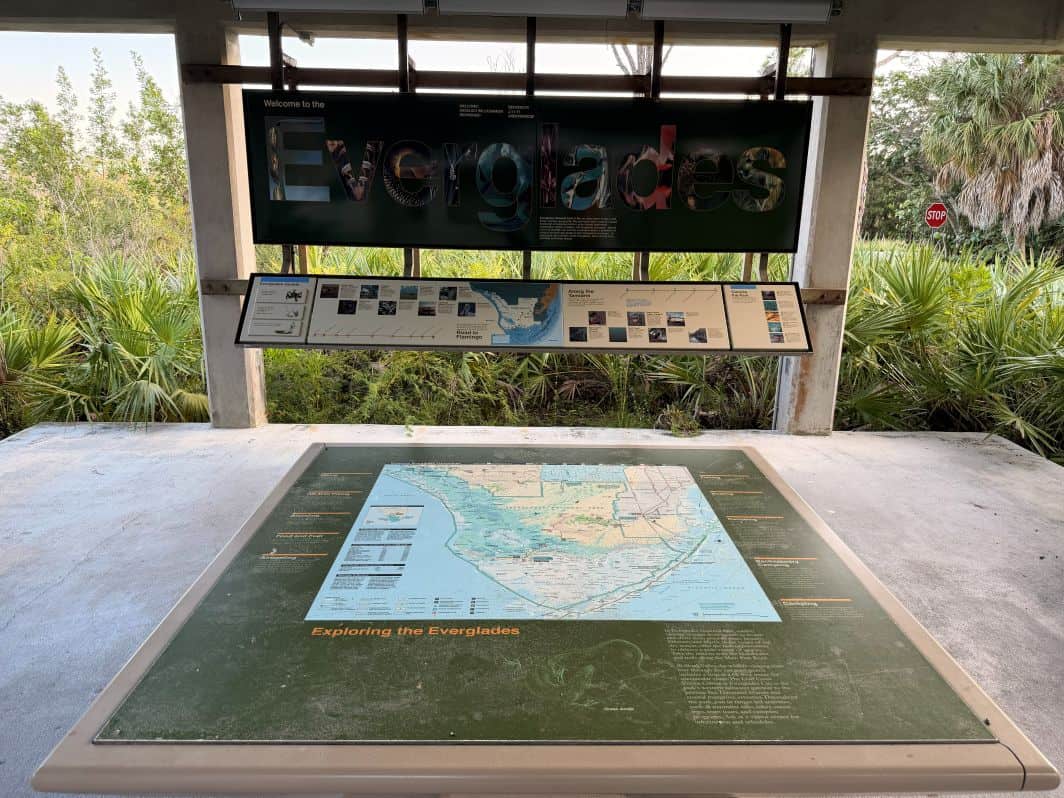
What’s most fascinating is how interconnected everything is.
The Everglades is not just a landscape; it’s a living system. Water flow determines the rhythm of life here. It dictates where animals feed, breed, and migrate.
When the water runs low, birds fly elsewhere, fish hide deeper, and the vegetation changes. When the rains come, the ecosystem springs back to life.
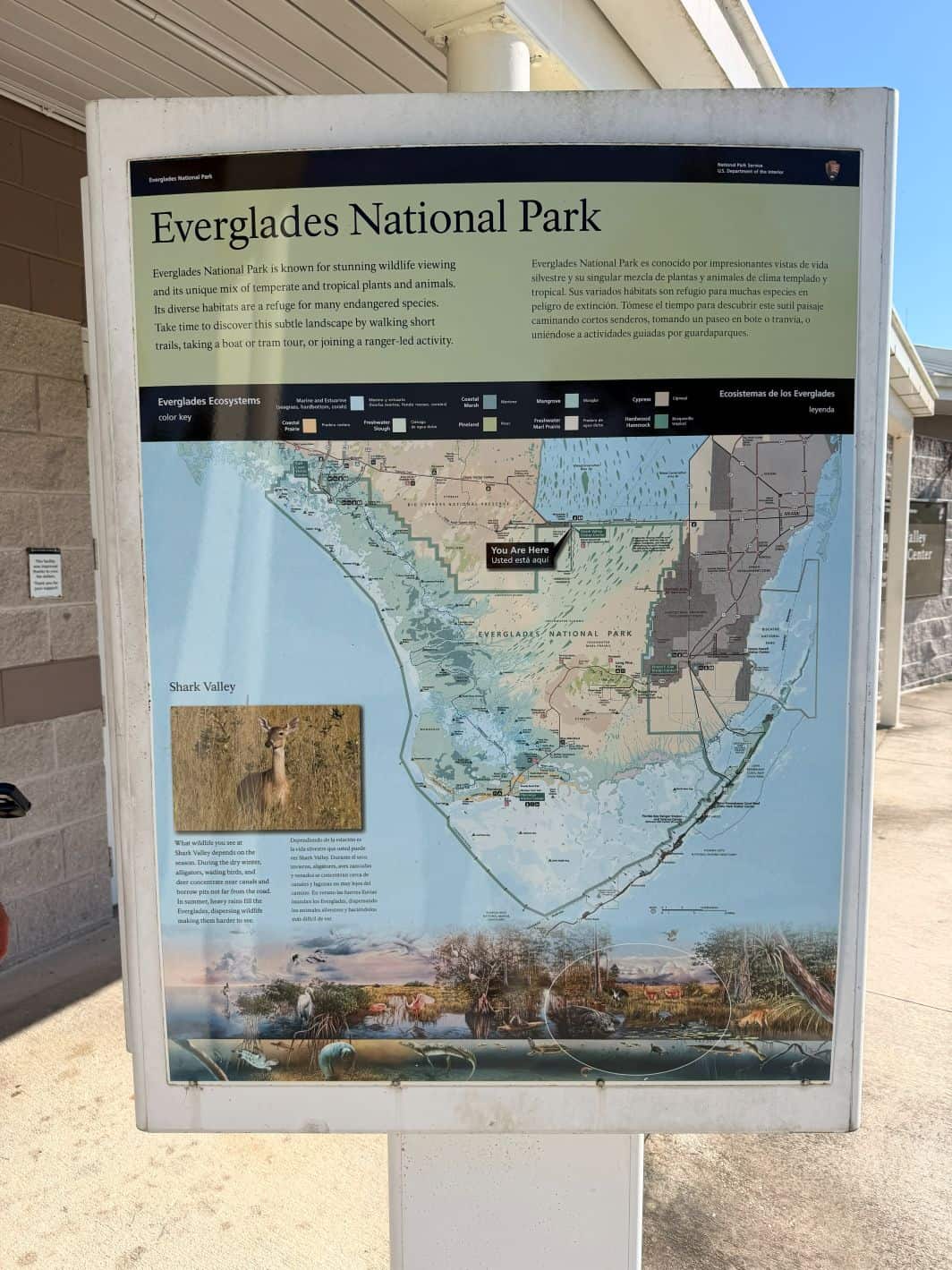
Understanding this delicate balance helps you see why conservation is so vital. Decades of drainage and development once reduced the Everglades to nearly half its original size. Today, restoration efforts are underway to revive natural water flow and preserve the park’s biodiversity for generations to come.
Visiting the Everglades isn’t just about spotting wildlife, it’s about witnessing a living, breathing landscape that teaches us the importance of connection, balance, and respect for the natural world.
Exploring the Park: 5 Visitor Centers
One of the best ways to experience the Everglades is by starting at its visitor centers. The park is enormous, spanning 1.5 million acres, so each center offers a unique perspective on this incredible ecosystem.
There are five main visitor centers:
Ernest F. Coe Visitor Center (Main Entrance, Homestead)
Ernest F. Coe serves as the main entrance for most visitors coming from the east.

Here, you can learn about the park’s history, ecosystems, and conservation efforts.
Interpretive displays and short walking trails offer a gentle introduction to the Everglades’ diversity, from its wet prairies to its cypress swamps.
It’s a great starting point if you want to get a broad understanding before venturing deeper into the park.
Royal Palm Area (near Coe Center)
Royal Palm is smaller than the other centers, but it’s a gem! You’ll find our favorite trail, the Anhinga Trail, here. This boardwalk trail takes you just above the water, offering an intimate view of the Everglades’ unique ecosystem.

We took a sunset stroll along the trail, and it was a magical time to go. The sunset colors were magnificent, and the rising moon reflected off the water.
We were fascinated by the incredible birds along our walk.
To our delight, a small alligator was resting on a plant at the end of one section of the path, a reminder of the ancient creatures that call this park home. Walking here, it’s impossible not to feel connected to the quiet pulse of life in the Everglades.
For those who want an easy but immersive encounter with Everglades wildlife, Royal Palm delivers!
Shark Valley Visitor Center (Northern Section)
Shark Valley is famous for its 15-mile tram trail, where you can bike or ride a tram through sawgrass marshes.

From the observation tower, the view stretches in every direction, revealing the “River of Grass” in its full expanse.
The alligators seem to have front-row seats to the daily show of birds, turtles, and other wildlife.
It’s a wonderful location to immerse yourself in the rhythm of the Everglades.
Gulf Coast Visitor Center (Everglades City)
Located in Everglades City, the Gulf Coast Visitor Center serves as the gateway to the park’s western side and the Ten Thousand Islands, a labyrinth of mangroves and waterways that feels almost untouched by time.

The visitor center is currently being rebuilt (2025) and will soon be dedicated to Marjory Stoneman Douglas, the influential writer and environmentalist who helped save the Everglades through her advocacy.
Because of the ongoing construction, we weren’t able to explore the visitor center on this trip.
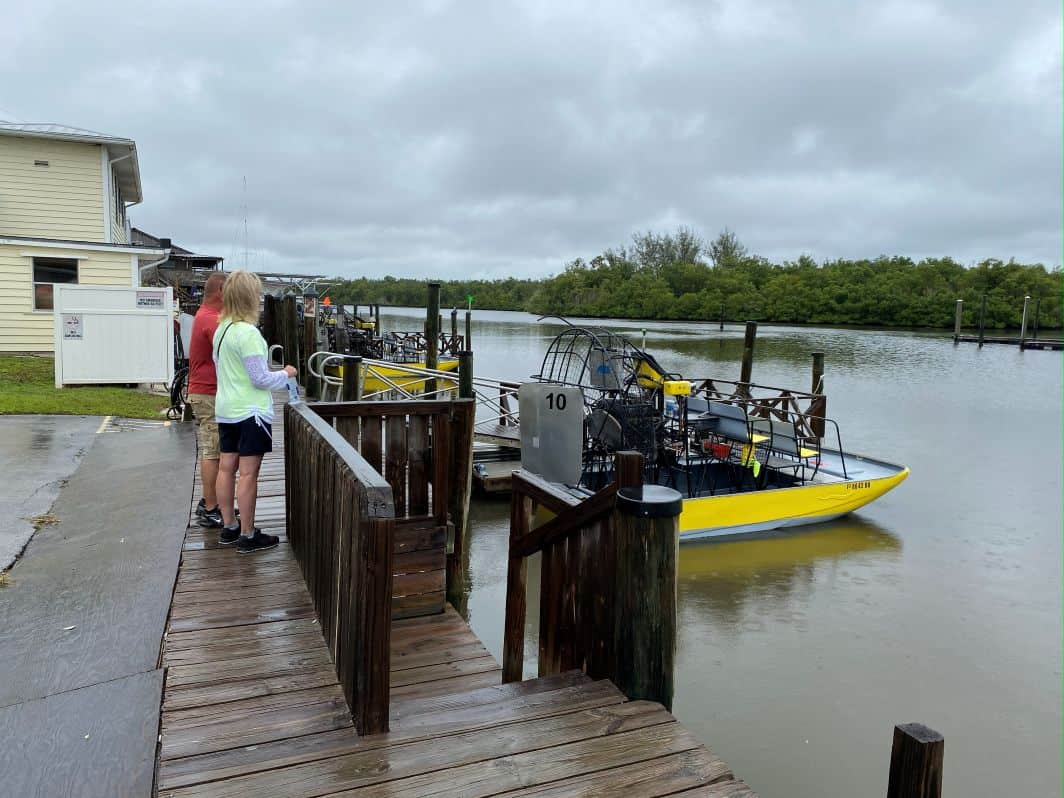
However, Everglades City still holds a special memory for us. It’s where we once took an exciting airboat tour with friends. Flying across the water, surrounded by mangroves and the occasional splash of an alligator.
Flamingo Visitor Center (Southern Tip)
At Flamingo, you’re at the southern tip of the park, where freshwater meets the Gulf. This visitor center offers boat tours, fishing excursions, and trails that wind through coastal mangroves, making it a hub for adventure and exploration.
We didn’t get a chance to visit this visitor center, but we plan to come back in the future!
Wildlife Wonders
One of the most captivating aspects of the Everglades is its wildlife. Everywhere you look, life is moving, calling, or gliding through the water.
Majestic Birds
Birds are perhaps the most abundant and joyous to watch.

From the elegant herons and snowy egrets to the vibrant roseate spoonbills, the Everglades is a birdwatcher’s paradise.
We marveled as birds fished, preened, and soared overhead, their movements perfectly synchronized with the gentle rhythm of the marsh.
Iconic Alligators
Of course, the Everglades is also famous for its alligators.
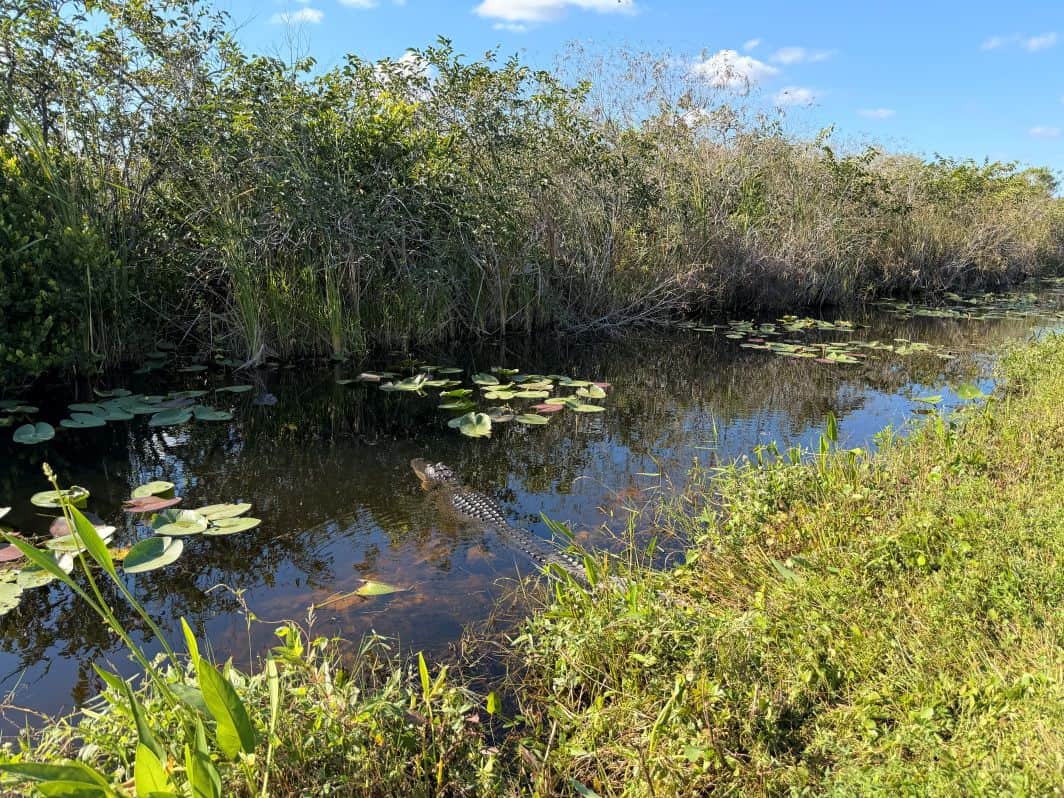
These ancient-looking reptiles seem almost like living fossils, lying in the sun with their eyes barely open, yet always aware of their surroundings.
We spotted several during our visit. There is a strange sense of awe in watching them, both fearsome and fascinating.
The American crocodile is far more elusive. We didn’t see any on this visit, but knowing they share this habitat adds a layer of mystique to the Everglades. It’s a park where life has adapted in extraordinary ways, from creatures that glide through water to those that thrive above it.
The Flora of the Everglades
The Everglades isn’t just about water and wildlife; its plant life is equally fascinating! Sawgrass dominates the marshes, swaying like waves in the wind, while towering cypress trees form mysterious domes that seem almost magical.
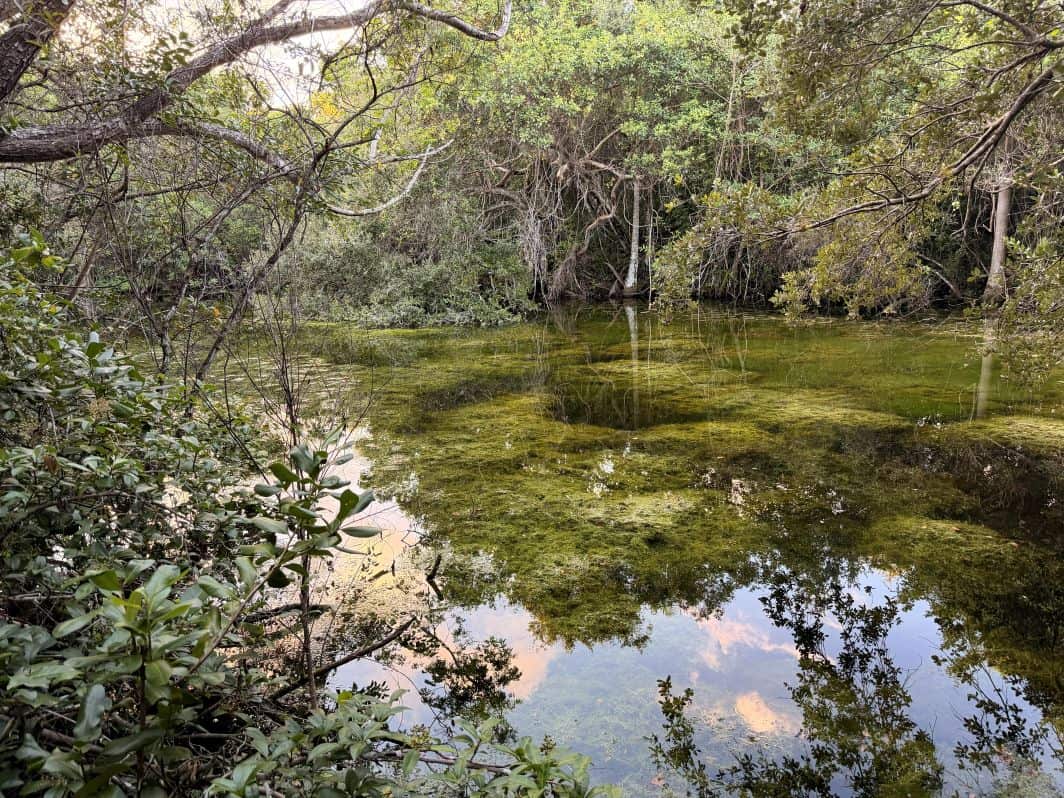
Mangroves line the waterways, their tangled roots providing shelter for fish, crustaceans, and birds. Orchids, bromeliads, and other flowering plants add pops of color amid the greenery, revealing the ecosystem’s incredible diversity.
The flora here is not only beautiful, it’s the foundation of life in the Everglades, supporting an entire web of creatures.
Invasive Species: A Challenge for the Everglades
While the Everglades is a haven for native plants and animals, it also faces serious challenges from invasive species.
Burmese pythons are perhaps the most notorious, preying on mammals, birds, and reptiles and upsetting the delicate balance of the ecosystem.
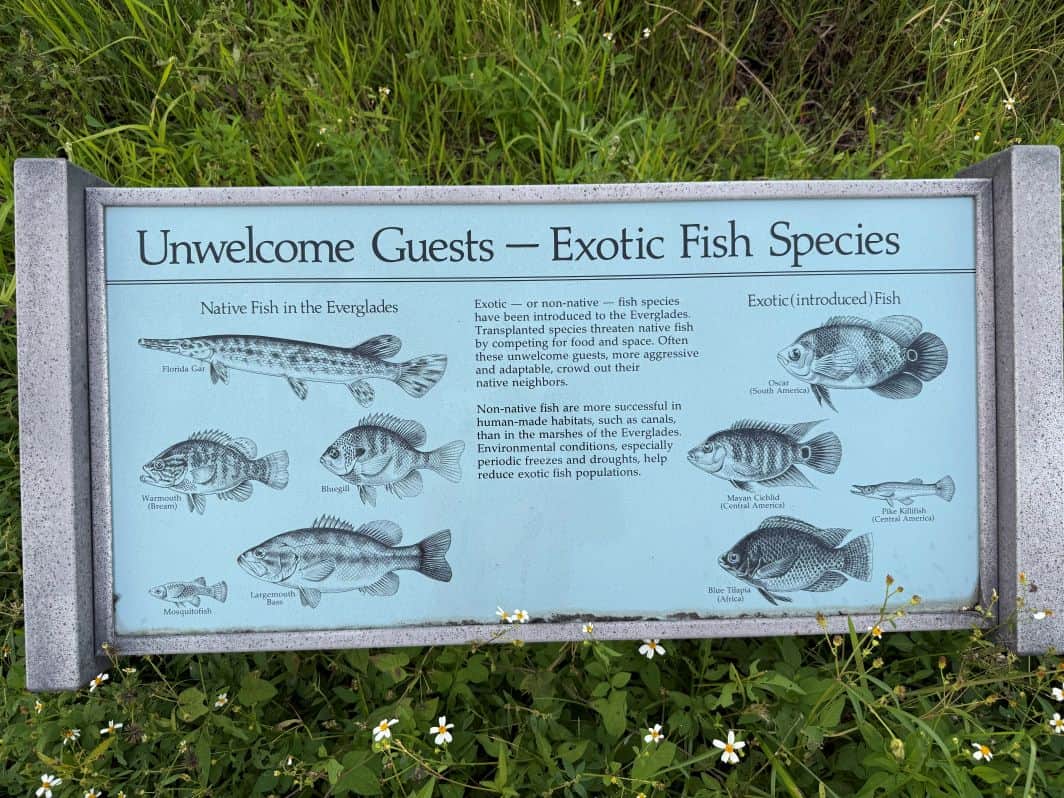
Other invaders, like feral hogs, exotic fish, and certain plants, compete with native species for space, food, and resources.
Park managers and scientists work tirelessly to control these populations and restore habitats.
Their presence is a constant reminder of how fragile even vast, seemingly untouchable landscapes can be. Seeing the Everglades thrive despite these threats makes you appreciate the resilience of nature and the ongoing efforts to protect it.
Tips and Recommendations
Visiting the Everglades can be a once-in-a-lifetime experience, and a little preparation goes a long way in making the trip enjoyable and safe. Here are some of our top tips:
- Getting around: Car access between centers is essential as distances are large.
- What to bring: Bring plenty of water and snacks, especially if you plan to hike or bike. A hat and sunglasses are also recommended for sun protection. Bug repellent to keep mosquitoes at bay.
- Bring binoculars and your camera: With over 360 bird species and countless reptiles, mammals, and fish, a good pair of binoculars will enhance your visit.
- Enjoy the Visitor Centers: Each visitor center offers a different perspective of the park. Plan your route and prioritize which visitor centers or trails to explore.
- Explore Trails and Boardwalks: Even short trails, like the Anhinga Trail or Gumbo Limbo Trail at Royal Palm, offer incredible wildlife viewing.
- Respect Wildlife: Keep a safe distance from alligators, crocodiles, and other wildlife. Never feed the animals. Human food can harm them and disrupt natural behaviors.
- Leave No Trace: Carry out all trash, stick to marked trails and boardwalks, and avoid disturbing plants or wildlife. Your small actions help preserve this incredible park for future generations.
- Embrace Mindful Travel: Take moments to pause, listen, and observe. Engage all your senses to fully appreciate this park.
Things To Do In Everglades National Park
This vast park invites you to experience it in multiple ways. On foot, by boat, by bike, or even from the water. Each activity offers a different perspective on the park’s diverse ecosystems and wildlife.
Take an Airboat Tour
An airboat ride is one of the most iconic ways to experience the Everglades. Skimming across the shallow waters and winding through mangroves gives you a true sense of the park’s scale and wild spirit. It’s loud, thrilling, and unforgettable, especially when you spot an alligator sunning along the banks!
Explore One of the Park’s Trails
From short boardwalks to longer backcountry paths, the Everglades offers trails for every pace and preference. Each trail provides a look at the park’s ecosystems. Walking these trails allows you to immerse yourself fully in the sights, sounds, and rhythms of the Everglades.
Go Birdwatching
With over 360 species recorded, the Everglades is a birder’s paradise. Bring binoculars to spot roseate spoonbills, great egrets, and wood storks. Every season brings new surprises as migratory species come and go with the changing water levels.
Paddle the Mangrove Tunnels
For a peaceful and intimate encounter with the park, rent a kayak or canoe and paddle through the mangrove tunnels. The quiet allows you to hear every rustle of wings and splash of fish. It’s a meditative experience that connects you deeply with the natural rhythm of this place.
Bike the Shark Valley Loop
The paved trail at Shark Valley offers a chance to explore on two wheels. (You can also take the Tram if you aren’t up for that long of a bike ride.) Climb the observation tower at the midpoint for panoramic views stretching across the endless “river of grass”.
Take a Ranger-Led Program
The park’s rangers share incredible insights into the ecosystems, history, and conservation efforts. Whether it’s a guided walk or an evening talk under the stars, these programs deepen your understanding of what makes the Everglades so extraordinary.
Camp and Stargaze
Spend a night under the stars at Long Pine Key or Flamingo Campgrounds, or venture to backcountry paddle-in sites for a more secluded experience. Camping lets you hear the Everglades’ wildlife after dark, and the open skies create perfect conditions for stargazing.
Final Thoughts: The Everglades Are A Park Like No Other
Visiting the Everglades is unlike experiencing any other national park. Its vast, slow-moving landscapes and rich biodiversity create a sense of timelessness that’s hard to put into words. From the endless sawgrass marshes to the elegant birds in flight, the ancient alligators lurking in the water, and the intricate web of life in the mangroves, every moment in the park is a reminder of nature’s quiet power and resilience.
Standing in the middle of this “River of Grass,” you feel both humbled and inspired. It’s a place that invites you to slow down, observe, and truly see the world in all its intricate details. The Everglades is not only a park to explore but a lesson in patience, balance, and the delicate harmony that sustains life.
As part of our 63 National Park Challenge, the Everglades reminded us why we seek out these wild places. Not just for the adventure, but for the perspective they offer. It’s a landscape that stretches beyond the horizon, a living classroom, and a sanctuary of life that continues to captivate and teach all who wander here.
Whether you’re watching a heron take flight at sunset, glimpsing an alligator beneath the water, or simply breathing in the quiet hum of the marsh, the Everglades leaves an impression that lingers long after you’ve left. It’s a park that invites you to return, explore deeper, and always marvel at the wild, intricate beauty of Florida’s River of Grass.
💡 Plan Your Next Adventure
If you’re ready to explore this incredible National Park yourself, check out our Travel Resources Page for tools to plan your own adventure. If you enjoyed this story, follow along as we continue our 63 National Park Challenge!
Follow us on Facebook at Mind Set On Travel and check in on our journeys as we explore new destinations around the world!
Mind Set On Travel Disclaimer
Mind Set On Travel may contain affiliate links to products and services. If you make a purchase using one of our links, we may receive compensation from the company at no additional cost to you. This helps support our work while allowing us to continue sharing travel tips and resources. Read our full disclaimer here.