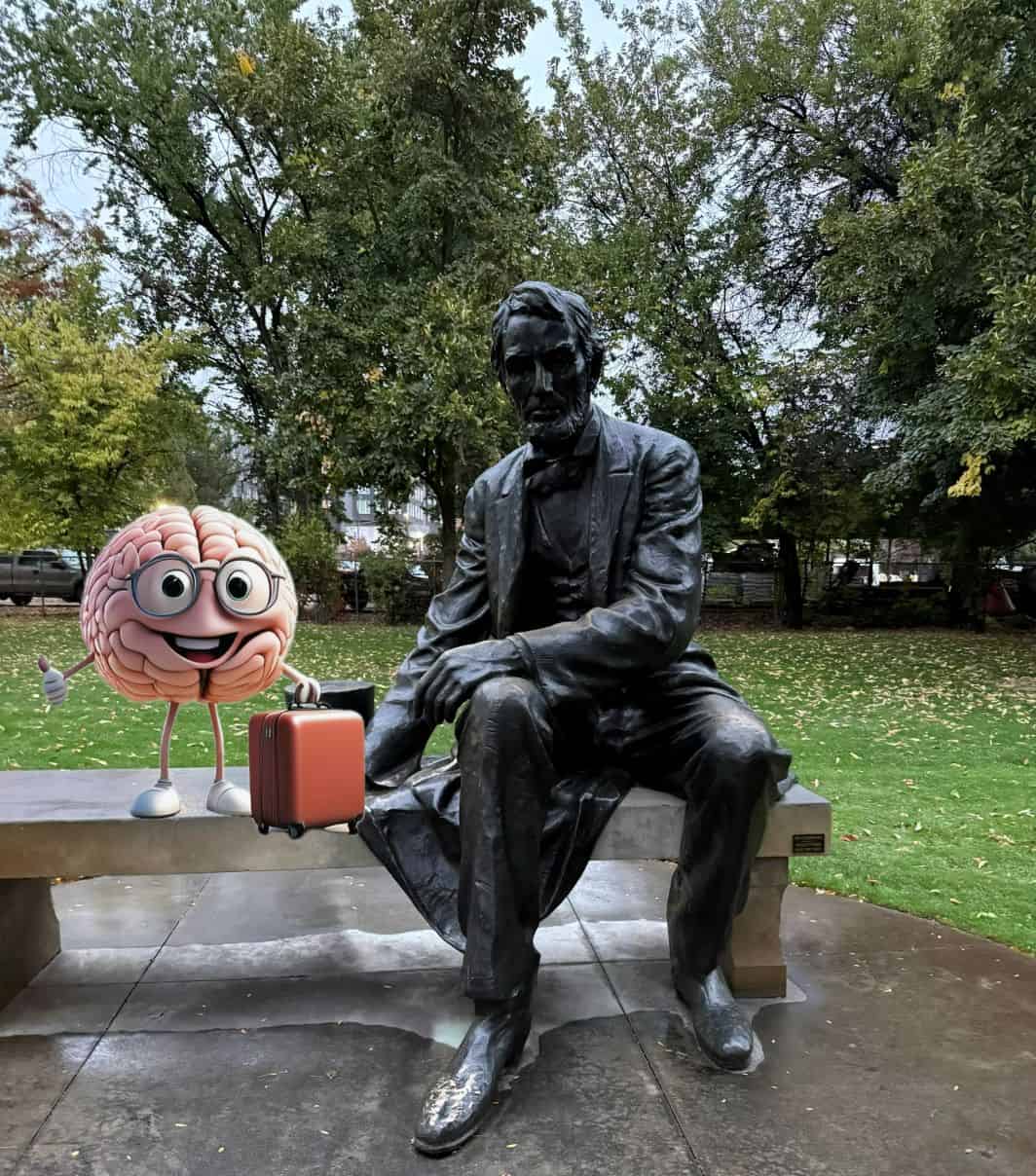
Unpack Your Mind: A Traveler’s Guide to Positive Thinking
Every traveler knows the process: return home from a trip and unzip your suitcase, beginning the familiar ritual of unpacking. Pull out the clothes, the souvenirs, and the toiletry kit. Examine each item carefully. Some need washing, some go neatly back into drawers, and some are set aside, ready for the next adventure.
But how often do you do the same with your thoughts?
We all carry mental luggage; thoughts, beliefs, assumptions, and worries that travel with us from one experience to the next. Sometimes we know exactly what’s inside; other times, we just feel the weight of it. Before you plan the next trip, take a moment to look inside. Not at your clothes, but at your thinking. Because what you pack in your mind will always shape where you go, how you feel, and how much you enjoy the journey.
Every journey begins in the mind. Every emotion you feel and every action you take starts with a thought. And just like unpacking after travel, you can learn to unpack your thinking; one item, one thought at a time.
What’s In Your Suitcase
Your thoughts are like the items packed inside your roller bag. Some are useful, like your favorite outfit. While others are extras you threw in at the last minute, just taking up space.
You can feel it when you’ve overpacked your mind. Resistance feels heavy. Procrastination feels bulky. Avoidance feels like that dirty laundry you don’t want to open.
Sometimes you think, “I don’t want to do this,” but you’re not sure why. It’s not the action itself that feels hard; it’s the thought about it. Just like an unneeded item in your luggage, the thought is taking up space, adding weight, and making it harder to move forward.
The next time that feeling shows up, pause and imagine your mind as a suitcase. Ask yourself:
- What’s in here?
- What am I carrying that I haven’t looked at yet?
- What thoughts am I assuming are mine, and do they still fit?
Awareness is the first step. You can’t clean or organize what you haven’t opened. So unzip the bag. Let’s look inside.
The Process of Unpacking
Unpacking isn’t a one-step task. It’s a gentle, deliberate process of awareness, curiosity, and choice. When you unpack your mind, you’re not judging your thoughts, you’re simply noticing them.
Here’s how that process looks, both for your luggage and your life:
Open the zipper: Awareness
You can’t unpack what you won’t open. Awareness is that first moment when you admit something feels off. Maybe you’ve been avoiding a project, resisting a goal, or feeling anxious about something new. Instead of forcing action, pause and open the zipper. Let curiosity, not criticism, guide you.
Take out each item: Observation
As you lift each piece of clothing from your bag, you see it clearly for what it is. Thoughts are the same. Write your thoughts down: “I’m thinking this will be too hard.” “I’m worried I’ll fail.” “I’m afraid I’ll be disappointed.” Naming a thought gives it form, just like holding a shirt up to the light.
Inspect each piece: Evaluation
When you unpack clothes, you decide: clean or dirty, keep or toss. When you unpack your thinking, you ask:
- Is this thought helpful or hurtful?
- Is it true or just familiar?
- Does it serve my growth, or keep me stuck?
This inspection isn’t about shame; it’s about clarity. The goal isn’t to get rid of everything, but to know what you’re carrying.
Sort and decide: Release or keep
Some thoughts are useful tools; they motivate, guide, or calm you. Others are like items that no longer fit. You can thank them for their service and let them go. Releasing a thought doesn’t mean you deny it existed; it means you choose not to keep repacking it.
Repack with intention
Once your mind is lighter, you decide what to take with you next. Choose thoughts that support your purpose and fit the mindset you want to live by. This is where mindset shifts happen. When you intentionally pack beliefs that help you travel well through life.
Unpacking your thinking is an act of self-care and self-coaching. It’s how you make mental space for clarity, peace, and inspired action.
STEAM: The Self-Coaching Framework
Just like unpacking follows a process, so does managing your mindset.
The STEAM Method is a simple framework for understanding and transforming your thoughts:
- S: Situation
- T: Thought
- E: Emotion
- A: Action
- M: Mindset
Let’s explore each one through the lens of unpacking your mind.
S – Situation
Every thought begins with a situation. Something happens: a challenge, a choice, or an invitation. Your mind instantly responds. The situation is neutral, like the trip itself. It’s what it is. The story begins when you start to think about it.
When you feel resistance, name the situation clearly:
- “The situation is that I’ve been asked to lead this project.”
- “The situation is that I need to make a decision.”
- “The situation is that I have a goal, and I haven’t taken action yet.”
This is like placing the suitcase on the table before opening it. You’re preparing to look inside without judgment.
T – Thought
Now comes the thought. The mental item you’ve been carrying around. Maybe it’s:
- “I’m not ready.”
- “This will be too hard.”
- “I don’t want to fail.”
Each thought is something you’ve packed, often without realizing it. Some thoughts are useful (like socks and essentials), and some are outdated (like clothes that no longer fit). The key is to identify what you’ve packed in your mental bag.
Ask yourself:
- What am I telling myself about this situation?
- Where did that thought come from?
- Is it based on truth or assumption?
Each thought determines the rest of your journey; what you’ll feel, how you’ll act, and ultimately the mindset you carry forward.
E – Emotion
Every thought creates an emotion. Your emotions carry the energy of your thinking.
- If you think, “I can’t do this,” you’ll likely feel fear or doubt.
- If you think, “I can figure this out,” you’ll feel calm or motivated.
Emotions are not random; they are the energy of your thoughts. When unpacking your mind, learn to ask:
- What feeling is that thought creating?
- What am I feeling right now?
- Do I want to keep feeling this way?
This awareness allows you to clean and refresh your emotional wardrobe.
A – Action
Your emotions drive your actions. Just as you sort, wash, and fold your clothes, your actions are how you process your inner world into outer results. When you act from frustration, you rush or avoid. When you act from clarity, you create progress.
Ask yourself:
- What actions do I take when I feel this emotion?
- Do they move me toward or away from my goal?
- What would I do if I felt calm, confident, or curious instead?
- How do I want to show up? How do I want to act?
This is where the shift happens. You begin to act not from reaction, but from intention.
M – Mindset
After everything is unpacked, cleaned, and organized, you feel ready for whatever comes next. That’s your mindset. It’s the result of your thought work. The emotional and mental clarity you’ve created by unpacking and realigning your thinking.
Mindset isn’t about being positive all the time. It’s about being aware all the time. It’s knowing that when resistance shows up, it’s just a sign to unzip the bag and look inside.
By using the STEAM self-coaching framework, you turn mental clutter into clarity. You begin to unpack your thoughts with intention.
The beauty of unpacking your thinking is that it’s not just a mental exercise; it’s a lifestyle. It’s how you lighten the load and keep moving forward, no matter where the next journey leads.
Beliefs We Don’t Know We Packed
Sometimes, the heaviest items in your mental suitcase aren’t the ones you remember packing. They are the hidden beliefs, fears, and assumptions picked up along the way. Maybe someone told you you weren’t capable. Maybe a past failure left a lingering doubt. Maybe society or culture added an expectation you didn’t choose.
These hidden souvenirs can sneak into your thinking unnoticed. They show up as small resistances or vague feelings of unease. You might think: “I just don’t feel like it,” but the truth is, you’ve been carrying these items around for years.
Unpacking hidden souvenirs requires curiosity. Examine them as you would a delicate gift from a faraway trip:
- Where did this belief come from?
- Does it still serve me today?
- Does it belong in my suitcase for the next adventure, or is it time to leave it behind?
By noticing these hidden items, you reclaim your mental space. You choose what truly belongs in your journey forward, not what was unconsciously handed to you along the way.
Repacking With Intention
After unpacking comes the most empowering part: repacking. You get to decide what stays, what goes, and what is transformed along the way.
Think of your mind as a new suitcase, freshly cleaned and empty. What will you carry into your next experience?
- Essential tools and thoughts: courage, curiosity, gratitude
- Positive beliefs that support action: “I can learn this,” “I am capable,”
- Practices that keep you grounded: journaling, meditation, or mindset exercises
When repacking, pack light. Mental overpacking creates resistance, fatigue, and distraction. Intentionally carrying only what supports your next steps ensures clarity and freedom.
Remember: repacking isn’t a one-time event. Every day, every situation offers a chance to revisit your mental luggage, reorganize, and adjust. This intentional practice transforms travel and life, from reactive to proactive.
Celebrate the Unpacking
Unpacking your thinking is not just about letting go; it’s about celebrating progress. Every time you notice a thought, inspect it, and decide whether to keep it or release it, you are winning. You are actively shaping your mindset, choosing clarity, and creating space for growth.
Even small victories matter:
- Recognizing a negative belief and reframing it
- Letting go of self-criticism
- Choosing action over avoidance
These are wins. Celebrate them. Write them down, share them, or simply acknowledge them quietly. This is the heart of Celebrate All Wins: every step forward, no matter how small, deserves recognition.
When you celebrate the act of unpacking, you reinforce your ability to travel through life with awareness, intention, and joy.
Practical Takeaway: Your Two-Step Unpacking Ritual
Unpacking your thinking is about awareness and an intentional shift. This two-step ritual helps you recognize the thoughts driving your feelings and then transform them to create the actions you truly want.
Step 1: Recognize Your Current Thought and Emotion
1a: Name the Situation
Focus on the facts: just the situation itself, without judgment or added meaning.
Example: “I am scheduled to fly on a plane tomorrow.”
1b: Identify the Thought
Notice the thought your mind generates about the situation.
Example: “Something bad might happen during the flight.”
1c: Notice the Emotion
Observe the feeling that arises from that thought.
Example: “I feel anxious.”
1d: Notice the Action It Produces
Recognize the behavior this thought-emotion combination drives.
Example: “I avoid packing early, check the flight details obsessively, or even consider skipping the trip.”
Step 2: Shift Your Thought to Drive the Action You Want
2a: Choose a New Thought
Replace the fearful thought with one that supports calm, confidence, and trust.
Example: “Flying is statistically very safe, and I have handled flights before successfully.”
2b: Notice the New Emotion
Observe the feeling that emerges from this new thought.
Example: “I feel calmer, more confident, and in control.”
2c: Decide the Action You Want to Take
Use the new emotion to guide intentional, constructive action.
Example: “I will pack calmly, arrive at the airport on time, and focus on my breathing and mindfulness during the flight.”
2d: Reset Your Mindset
Reflect on the mindset you want to carry forward, reinforcing self-trust and resilience.
Example: “I am capable of handling flying with calm and confidence. I can enjoy this travel experience and focus on the adventure ahead.”
This two-step approach shows both sides of the process: the unhelpful default loop (thought → emotion → action) and the intentional self-coaching loop (shifted thought → positive emotion → desired action).
Final Thoughts: Unpacking Your Thinking
Unpacking your thinking is a journey, not a destination. Like travel itself, it is about awareness, curiosity, and choice. Every thought you inspect, every hidden belief you release, every mindset you realign, brings you closer to clarity, confidence, and action.
By practicing intentional unpacking, you travel through life lightly, freely, and purposefully. You create a mental space where the things you carry truly serve you, not weigh you down.
So next time you feel resistance, hesitation, or uncertainty, remember the metaphor of the suitcase. Open it. Look inside. Inspect each thought. Release what doesn’t serve you. Repack with intention. And celebrate every small win along the way.
Your journey begins with awareness. One thought at a time.
💡 Ready to continue your mindset journey?
Read more of our travel stories that focus on managing your thinking, shifting your mindset, and experiencing the world with curiosity and gratitude. Click HERE.