Learn How To Cultivate Your Thoughts
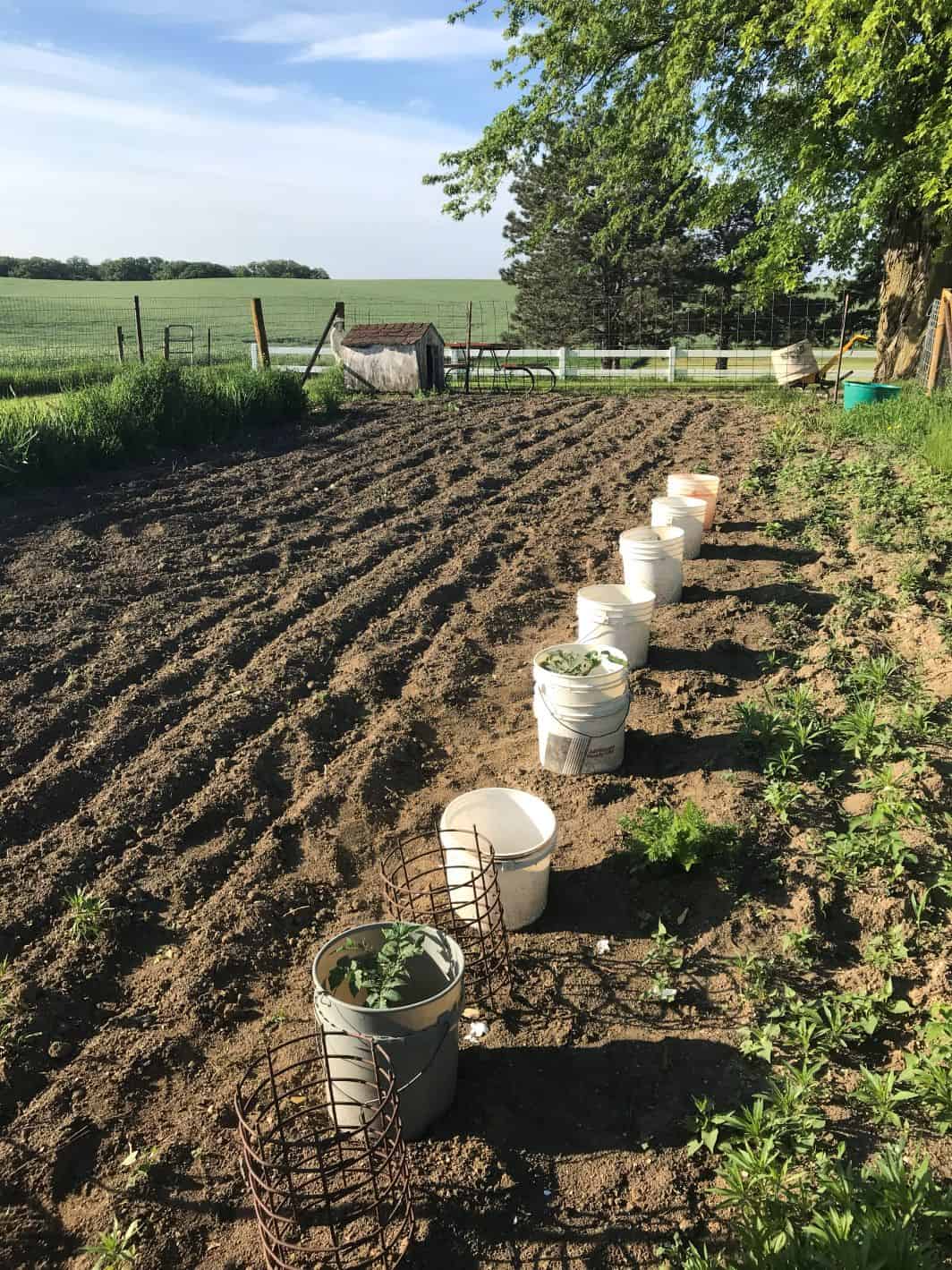
If you’ve ever watched a tractor cultivate a field, it might look destructive. Metal teeth drag through the soil, pulling up plants and leaving the ground disturbed. But what you’ll quickly learn about cultivation is that it isn’t about ruining the field; it’s about protecting what you want to grow.
When farmers cultivate, they remove weeds so crops can access light, water, and nutrients. Weeds aren’t bad plants; they’re simply growing where they don’t belong.
Our thoughts work the same way. When we don’t notice what’s growing in our minds, everything is allowed to grow, even the thoughts that don’t support us.
How to Recognize the Weeds in Your Thinking
Before you can change your thinking patterns, you need to recognize which thoughts are getting in the way. Mental “weeds” often show up as automatic, unhelpful thoughts that drain your energy or limit your perspective. Learning how to notice these patterns is the first step toward cultivating a healthier mindset.
What do Mental Weeds Sound like?
Mental weeds might sound like:
- Constant self-criticism
- Replaying past mistakes
- Assuming the worst
- Comparing yourself to others
These thoughts don’t help you grow. They are the weeds that you need to cultivate out of your mind.
Making Space for Healthier Thoughts
Once you notice the weeds in your thinking, the next step isn’t to force positivity, it’s to create space. Like a field needs room for crops to grow, your mind needs room for healthier thoughts to emerge.
Making space isn’t about pushing thoughts away or judging yourself for having them. It means removing what no longer serves you so there’s room for what does. You aren’t trying to fix yourself; you’re tending your mental environment with intention.
When unkind or limiting thoughts are cleared, even briefly, something interesting happens. You don’t have to force better thoughts to appear. Clarity often follows on its own. Curiosity replaces defensiveness. Kindness toward yourself becomes easier. These qualities grow naturally when they’re no longer crowded out.
Creating space can be as simple as pausing before reacting, writing a thought down instead of holding it, or reminding yourself that a thought is just a thought, not a fact. These small moments of space allow you to respond instead of react, and that shift changes the tone of your inner world.
Cultivating healthier thinking isn’t about doing more; it’s about removing what’s in the way. The more consistently you make space, the easier it becomes to recognize which thoughts deserve your attention and which ones you can let go.
Simple Tools for Cultivating Your Thoughts
Managing your thoughts works much like managing weeds in a field. You don’t need complicated techniques to cultivate healthier thinking. Simple self-coaching tools can help you notice, question, and clear unhelpful thoughts. These small practices make it easier to tend your mindset and create space for the thoughts that serve you.
Awareness
We have thousands of thoughts passing through our minds every day, most so automatic that we barely notice them. Learning to notice your thoughts is the first step in cultivating a healthier mindset. Awareness isn’t about judging or stopping thoughts; it’s about pausing long enough to see what’s there.
Observe which thoughts repeat, bring tension, or feel supportive. Learn to recognize them, like spotting weeds in a field. Awareness gives you the foundation to decide which thoughts to tend, let go, or nurture.
Question
Once you notice your thoughts, the next step is to ask questions about them. Instead of judging or trying to force change, gently explore: Is this thought helpful to me? Does it support the action I want to take, or does it hold me back?
Questioning your thoughts gives you clarity about which ones serve you and which ones are holding space without purpose. Think of it like examining weeds in a field; some might be harmless, others take nutrients from the crops you want to grow. By asking these questions, you create awareness and set the stage for choosing what to keep and what to let go.
Choose
After noticing your thoughts and asking questions about them, it’s time to decide which ones to keep and which to weed out. Choosing doesn’t mean forcing positivity or judging yourself for having unhelpful thoughts; it’s about making space for the thinking that helps you create the life you want for yourself.
Work One Row (One Thought) at a Time
Just like a farmer cultivates one row at a time, start with one thought at a time. Focusing on one thought at a time makes the process manageable and helps you practice your awareness, questioning, and choosing skills effectively.
Start with the thought that feels the loudest, most repetitive, or most limiting. Notice it, ask your questions about it, and decide whether to keep it or let it go. When you complete one “row,” even a small one, you’ve made progress. Each cleared thought creates space for healthier thinking and builds confidence in your ability to tend your mental environment.
Over time, this approach adds up. You may notice patterns, gain clarity, and develop a stronger self-awareness. Working one thought at a time turns cultivation into a consistent, sustainable practice, allowing your healthy mindset to grow steadily.
When Weeds Come Back (They Will)
Even with awareness, questioning, and choosing, unhelpful thoughts will return, and that’s normal.
It means you’re human.
Like weeds in a field, unhelpful thoughts can resurface. Their return isn’t failure; it’s another chance to practice tending your mind.
Approach returning thoughts with curiosity. Notice them, ask your questions, and choose what to do with them.
Why Making Space Matters More Than Positive Thinking
Positive thinking isn’t about forcing optimism or ignoring reality. When you create space by removing unkind thoughts, clarity and kindness often emerge on their own. Cultivating your mindset focuses on making room for what serves you, rather than trying to think “better” all the time.
When you remove unkind thoughts, you don’t need to manufacture positivity. Clarity, curiosity, and kindness tend to grow on their own.
Final Thoughts: Cultivating Your Thinking Works
Cultivating your thoughts is an ongoing practice. Like tending a field, it takes awareness, care, and patience. By noticing mental weeds, questioning their value, and choosing which thoughts to keep, you create space for supportive thinking to grow naturally.
When you cultivate your thinking, you take control. You begin to respond rather than react, make decisions from a place of calm awareness, and create the life you want for yourself. Like a well-tended field, your mind becomes fertile ground for growth, resilience, and possibility.
One final thought to consider:
“Does this thought help me grow?”
💡 Cultivate More
If you enjoyed this story, explore more of our mindset-focused stories HERE.
Follow Mind Set On Travel on Pinterest and Facebook for more travel inspiration, mindset tips, and self-coaching insights!