
Biscayne National Park: Part of the 63 National Park Challenge
As part of our 63 National Park Challenge, this journey took us to a park where 95% of the landscape lies beneath the water’s surface. Biscayne National Park feels a little different than visiting other National Parks. It invites you to explore clear blue water, coral reefs, mangrove forests, and quiet islands just off the coast of southeast Florida.
It’s a place where nature moves with tides instead of seasons, where the horizon is open and endless, and where adventure begins on the water! Whether you’re snorkeling, cruising toward a lighthouse, or simply standing along the shoreline, Biscayne offers a peaceful balance of beauty, calm, and quiet discovery.
For anyone like us, who’s working through the national parks one by one, Biscayne is a refreshing reminder that not all parks are defined by land. This National Park invites you to look below the surface.
Where Biscayne National Park is Located
Biscayne National Park is located in southeast Florida, just south of Miami and a short drive from the edge of Everglades National Park. After exploring the wide-open area of the Everglades, Biscayne feels like the natural next step in understanding Florida’s ecosystems. These two parks reveal just how diverse this region truly is: one shaped by water flowing across the land, and one shaped by water stretching out to the sea.
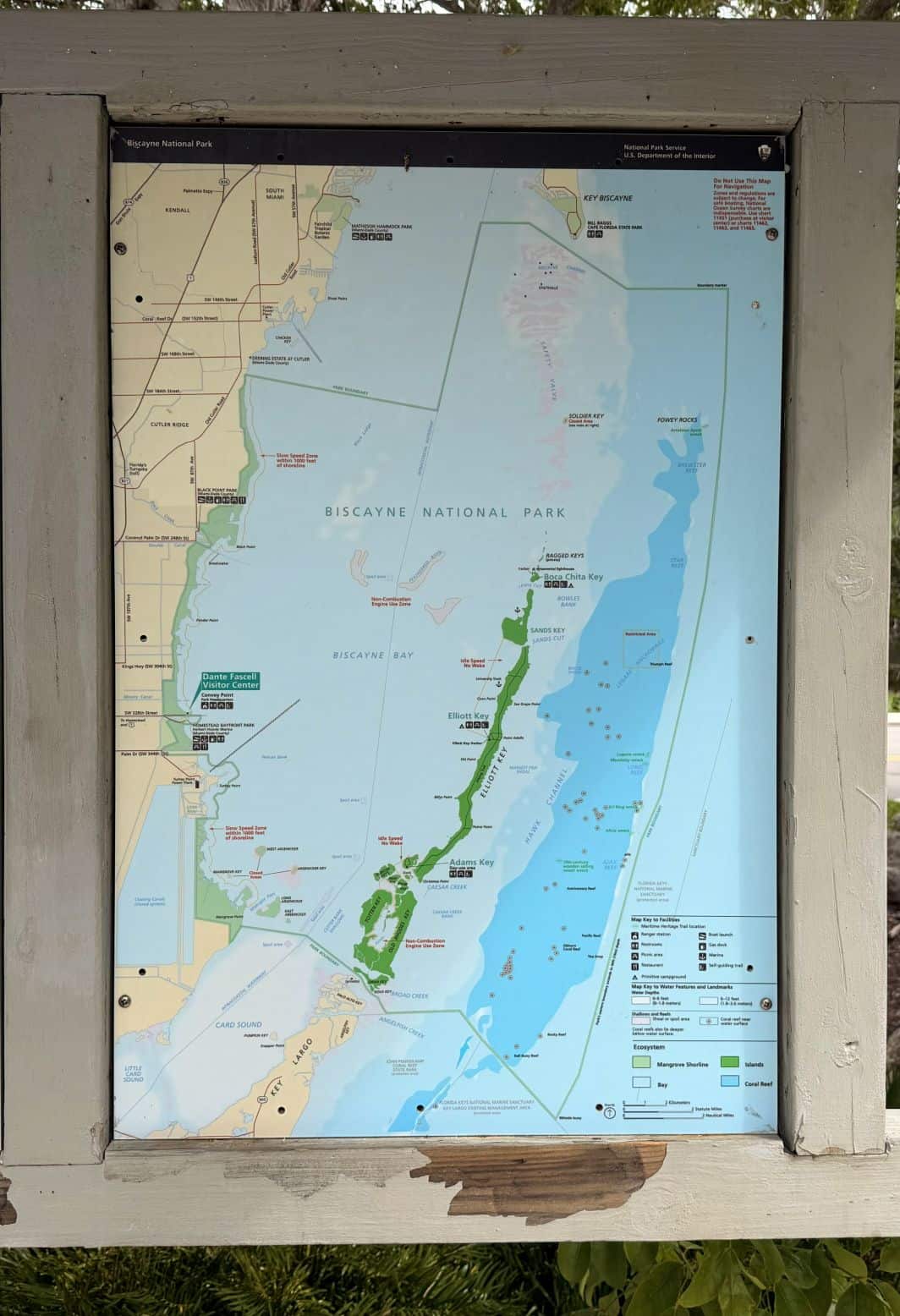
The main entrance to Biscayne is the Dante Fascell Visitor Center at Convoy Point in Homestead, the same community many travelers use as their home base for visiting the Everglades.
Because 95% of Biscayne is underwater, the Visitor Center is your launch point for boat tours, snorkeling trips, and paddling excursions into the bay.
How To Get There
- From Everglades National Park (Flamingo or Shark Valley): About 45–60 minutes, depending on your route.
- From Miami: About 45 minutes south via US-1.
- From the Florida Keys: Roughly 30 minutes north of Key Largo.
- Closest airports: Miami International Airport (MIA) and Fort Lauderdale-Hollywood International Airport (FLL).
When To Visit
While Biscayne is open year-round, the most comfortable and reliable weather spans December through April, the same season when many travelers visit the Everglades. Clearer water and calmer winds often make this the ideal time for snorkeling and boating.
No matter when you visit, Biscayne rewards you with sunshine, wildlife, and shimmering water that seems to stretch as far as your eyes can see.
Understanding Biscayne’s Water World
Unlike most national parks, Biscayne is primarily an underwater paradise. About 95% of the park is water, encompassing the northernmost portion of the Florida Keys, the shallow waters of Biscayne Bay, and a series of small islands and coral reefs.
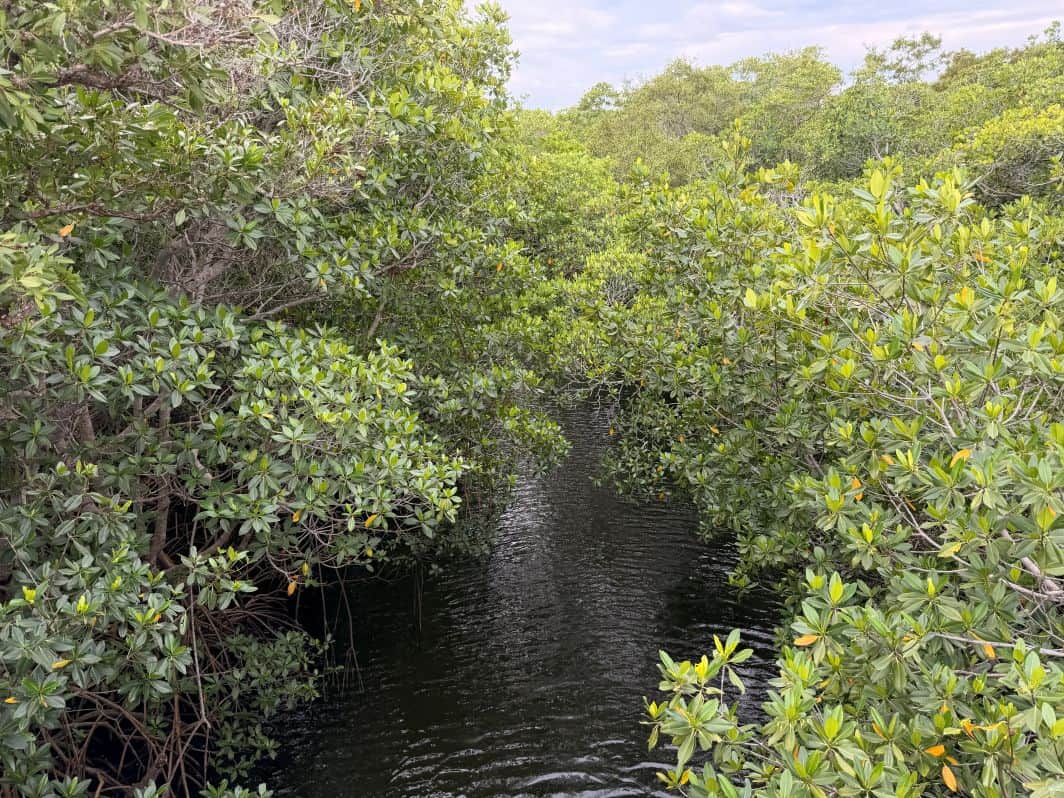
The park’s waters are a delicate mix of mangroves, seagrass beds, and coral reefs, all working together to support a rich ecosystem of marine life.
Exploring Biscayne is like stepping into a living aquarium.
Fish, sea turtles, rays, and dolphins thrive in these shallow waters, while birds swoop and dive along the mangrove-lined shore.
Why Water Shapes Your Experience
Because most of Biscayne is underwater, your visit revolves around boats, snorkeling, kayaking, or paddleboarding. Walking trails are limited to the few islands and the visitor center area, so the best way to experience the park is by getting on or in the water. Every activity provides a new perspective:
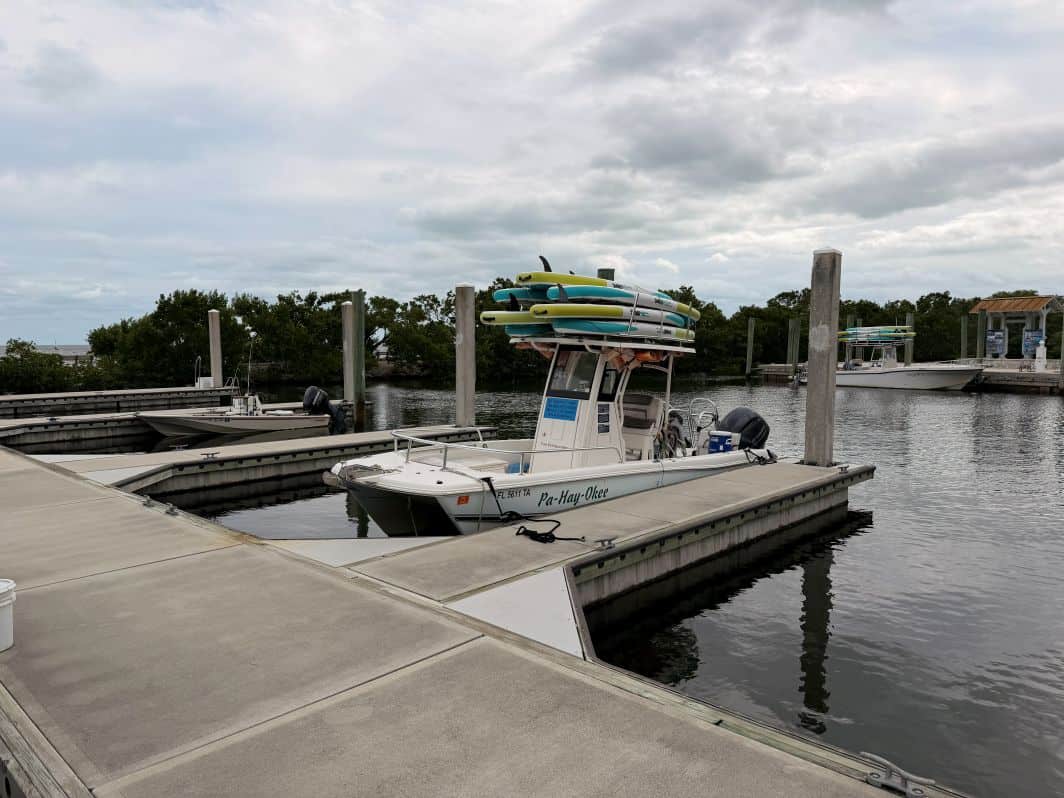
- From a boat, you see islands, coral heads, and the glimmer of sandbars.
- Snorkeling or diving immerses you in the underwater world of color.
- Kayaking through mangroves brings you close to wildlife you won’t see anywhere else.
Biscayne teaches a different kind of patience and observation than other parks. Here, nature doesn’t reveal itself all at once, you must slow down, float, and let the water guide your experience.
Top Things To Do at Biscayne National Park
Biscayne National Park offers a mix of water adventures, wildlife encounters, and short land explorations. Unlike most national parks, the focus here is on immersing yourself in the bay, exploring islands, and connecting with marine life. Whether you’re an active adventurer or a relaxed nature lover, there’s something for everyone.
Boat Tours and Island Exploring
One of the easiest ways to experience Biscayne is by boat tour. From the Dante Fascell Visitor Center, you can catch tours that take you to islands like Boca Chita Key, Elliott Key, and Adams Key.
- Boca Chita Key is home to a historic lighthouse, picnic areas, and scenic walking paths.
- Elliott Key offers beaches, mangroves, and hiking trails.
- Adams Key is quieter and perfect for a secluded picnic or swim.
Island-hopping gives you a sense of the park’s scale, with the sparkling water and lush greenery providing a peaceful backdrop for photography, swimming, or just relaxing on the sand.
Snorkeling and Diving
With vibrant coral reefs, seagrass beds, and shipwrecks, Biscayne is a paradise for snorkelers and divers. The park is part of the Florida Keys National Marine Sanctuary, and it’s famous for its crystal-clear waters and abundant marine life.
- Maritime Heritage Trail: Explore historic shipwrecks and learn about Florida’s seafaring past.
- Coral reefs: Swim among colorful corals and schools of tropical fish.
Even a short snorkeling trip lets you witness a thriving underwater ecosystem that few land-based parks can offer.
Kayaking and Paddleboarding
For a slower, more intimate experience, kayak or paddleboard through mangrove forests. Paddling allows you to quietly observe birds, fish, and other wildlife up close.
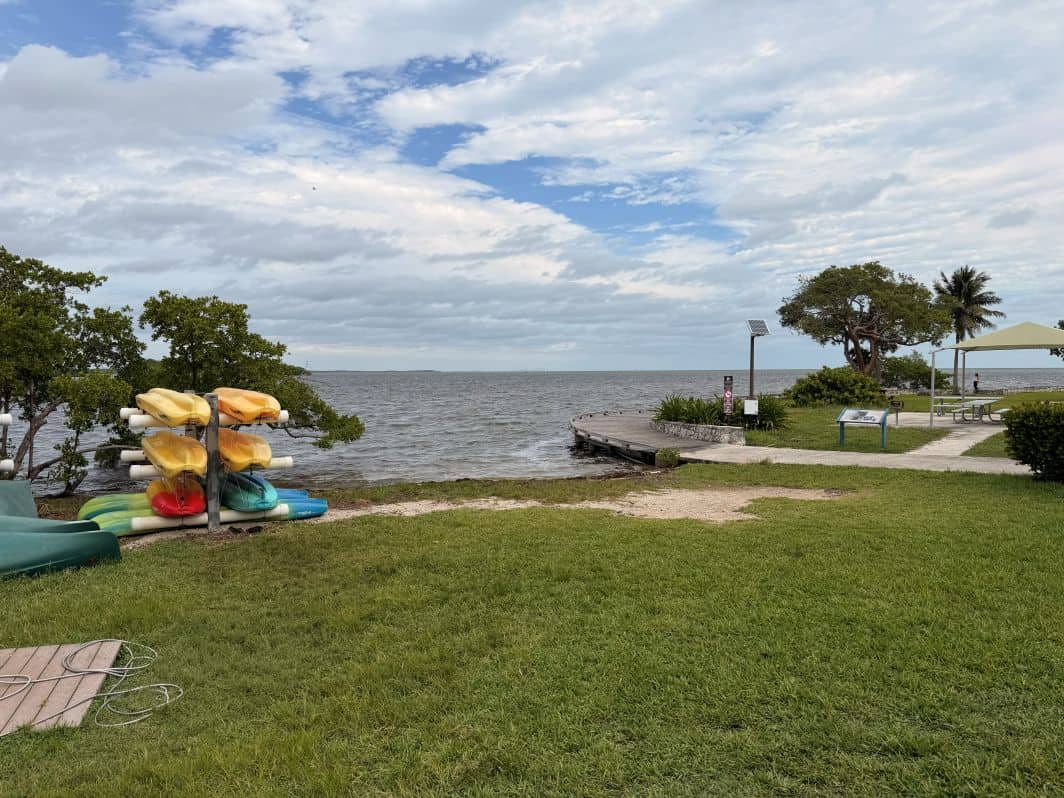
- Mangrove trails: Ideal for spotting herons, egrets, and small reptiles.
- Shallow bays: Perfect for beginners or families.
- Tip: Bring water shoes, sunscreen, and plenty of water, as Florida sun can be intense even in the winter.
Fishing
Fishing is allowed in designated areas and can be a relaxing way to enjoy the park. Biscayne’s waters are home to species like snapper, tarpon, and barracuda. Remember to follow park rules for catch limits and protected species. Conservation is key to keeping the park healthy.
Biscayne National Park isn’t about rushing from one scenic overlook to the next. Instead, it’s about slowing down, connecting with water, and exploring at your own pace. Whether you boat, snorkel, kayak, or fish, every activity immerses you in the park’s unique underwater world.
The Short Hike: Convoy Point Boardwalk & Trails
While Biscayne National Park is mostly water, there are a few land-based trails that offer a quieter, slower-paced way to experience the park.
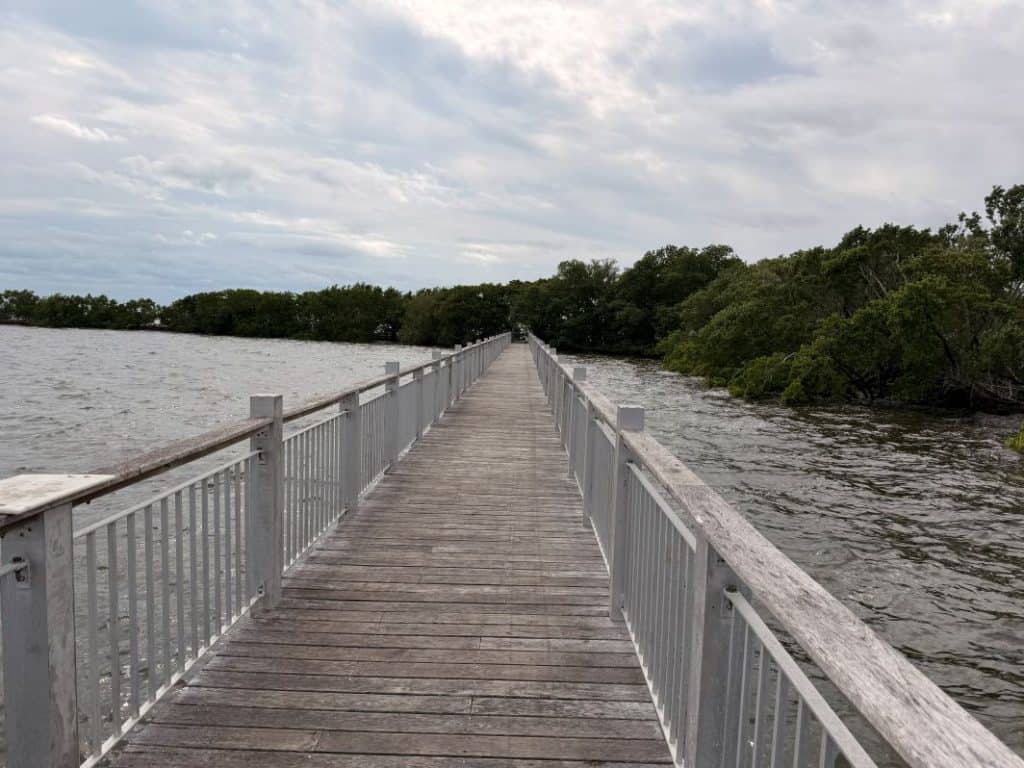
The most accessible is the Convoy Point Boardwalk near the Dante Fascell Visitor Center.
This short trail winds along mangroves, shallow tidal waters, and bird-rich wetlands, providing an easy walk for all ages and skill levels.
Along the boardwalk, you can spot herons, egrets, and other coastal birds, and with some patience, you might even see fish swimming beneath the clear water or a small turtle sunning itself on a log.
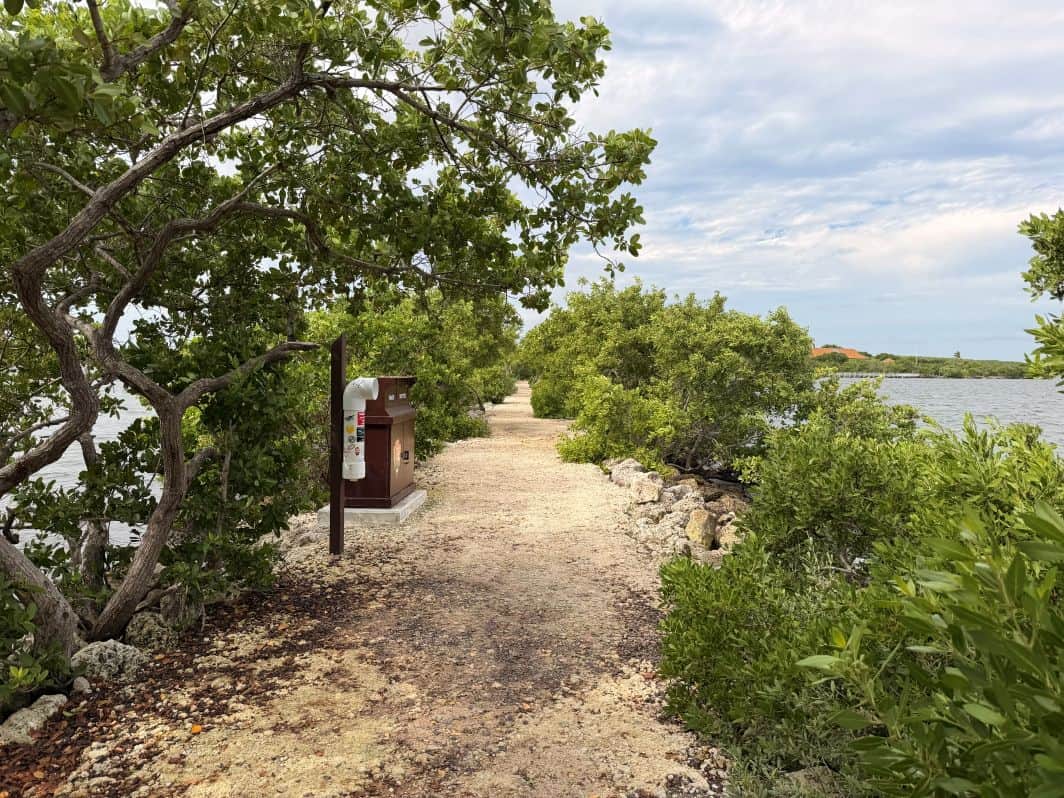
The trail is a perfect contrast to the park’s boating and snorkeling adventures. It’s peaceful, reflective, and educational, offering interpretive signs about mangrove ecosystems, local wildlife, and the park’s efforts to protect this unique environment.
This 30-minute stroll feels immersive, giving visitors a real sense of Biscayne’s delicate balance between land and sea.
For families or anyone looking to connect with nature without getting wet, this trail is ideal. It also serves as a gentle introduction to the park before you venture into the water-based adventures that define Biscayne.
Nature and the Impact of Hurricane Andrew
Biscayne National Park is a living classroom of coastal and marine ecosystems, from mangroves and seagrass beds to coral reefs and small islands. These habitats support a remarkable variety of wildlife: sea turtles gliding through the shallow bays, dolphins playing near boats, rays gliding across the sandy bottom, and birds nesting in mangrove canopies. Each visit offers a glimpse into a world where land and sea intertwine in perfect balance.
Yet, Biscayne’s beauty has not gone unchallenged.
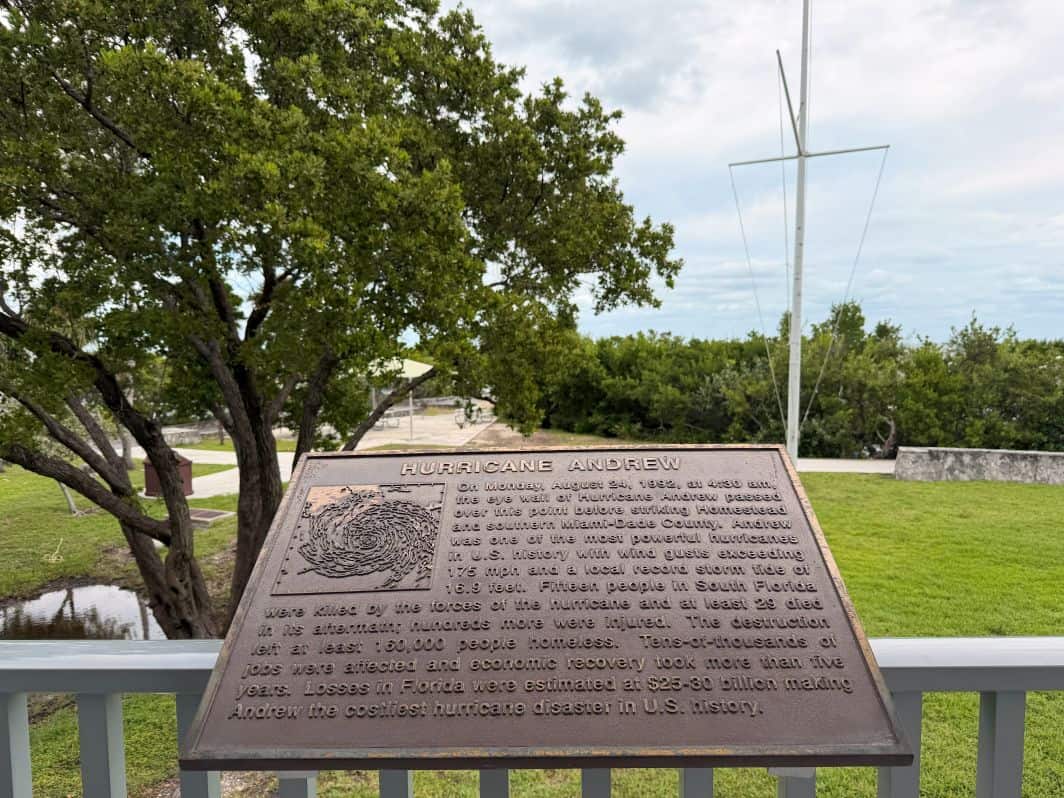
In August 1992, Hurricane Andrew, a Category 5 storm, swept through South Florida and reshaped much of the park. Mangrove forests were uprooted, coral reefs were damaged, and islands were reshaped by storm surges.
The hurricane served as a harsh reminder of nature’s power, but also of its resilience.
Over the decades since Andrew, the park has rebuilt and adapted. Mangroves have regrown, seagrass beds have returned, and coral reefs are slowly recovering with the help of ongoing conservation efforts.
Visiting Biscayne today, you see both the scars and the triumphs of nature: a dynamic landscape constantly evolving under the influence of tides, storms, and human stewardship.
For travelers, understanding this history adds depth to every adventure. Whether snorkeling along a reef or paddling through mangroves, you’re witnessing ecosystems that have survived natural disasters and continue to thrive, reminding us of both the fragility and strength of nature.
Tips for Visiting Biscayne National Park
When exploring Biscayne National Park, it’s important to enjoy its beauty responsibly to protect both yourself and the environment.
Conservation Tips
Preserving Biscayne’s delicate ecosystems ensures that future visitors can enjoy its beauty. Follow these guidelines to minimize your impact:
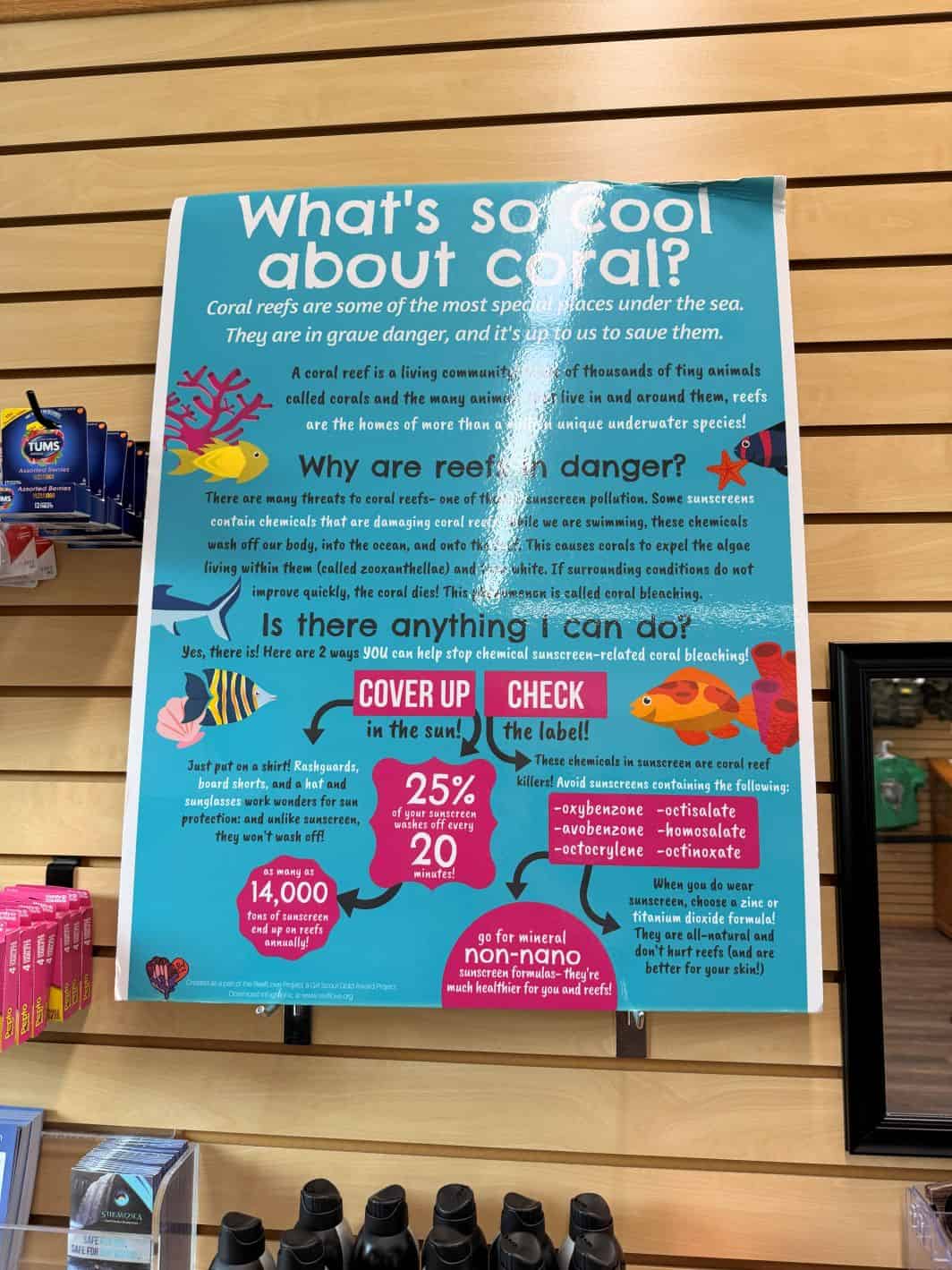
- Choose eco-friendly sunscreen: Use reef-safe sunscreen that won’t harm marine life. Avoid products with oxybenzone and octinoxate.
- Be mindful of shallow waters: Stay aware of sandbars, coral, and seagrass areas to avoid damaging delicate habitats.
- Respect wildlife: Keep a safe distance from all animals, including manatees, dolphins, and birds. Never attempt to touch or feed them.
- Practice safe boating and kayaking: Follow park rules, maintain proper speed, and avoid anchoring on coral or seagrass.
- Pack out what you bring in: Leave no trace; take your trash with you and avoid disturbing natural features.
By following these simple tips, you can have an unforgettable experience while helping preserve Biscayne’s unique ecosystems for future visitors.
Safety Tips
Biscayne National Park offers endless adventure, but keeping safety in mind ensures a fun and worry-free visit:
- Stay hydrated and protected: Bring plenty of water, wear a hat, sunglasses, and sun protection.
- Be mindful on the water: Follow boating and kayaking rules, maintain safe speeds, and anchor only in designated areas.
- Watch for environmental hazards: Shallow waters, strong currents, and changing weather can pose risks. Stay alert.
- Plan your excursions: Whether snorkeling, kayaking, or hiking, know your route and communicate your plans if exploring alone.
- Don’t forget your camera: Biscayne is full of incredible scenery, wildlife, and underwater sights. Capture memories responsibly!
Weather Considerations
Florida weather can change quickly. Summer brings heat, humidity, and afternoon storms, while hurricane season (June–November) may limit access. Winter and early spring generally offer the calmest conditions and clearest waters.
Combine With Other Parks
Biscayne pairs beautifully with Everglades National Park, just a short drive away. Visiting both parks on the same trip provides a full Florida water-and-wildlife experience, from mangrove wetlands to coral reefs and open bay waters.
Final Thoughts: Biscayne National Park
Biscayne National Park is a true gem of South Florida! Offering crystal-clear waters, vibrant wildlife, and unforgettable adventures both above and below the surface. Whether you’re kayaking, snorkeling, or simply soaking in the sun on a quiet sandbar, every moment here is a chance to connect with nature.
By following simple conservation and safety tips, like using reef-safe sunscreen, respecting wildlife, and staying aware on the water, you can ensure your visit is both fun and responsible. And of course, don’t forget your camera! Capture the incredible scenery and memories while leaving the environment just as beautiful for those who come after you.
Biscayne is also the perfect companion to nearby Everglades National Park. If you loved this glimpse into Biscayne, check out our story on the Everglades to continue your South Florida adventure!
➡️ Read our full Everglades National Park story to continue the journey and discover how the freshwater marshes complement Biscayne’s saltwater wonderland.
➡️ See the full 63 National Park Challenge! Discover which parks we’ve visited, which ones are left, and get inspired for your own adventure!
Mind Set On Travel Disclaimer
Mind Set On Travel may contain affiliate links to products and services. If you make a purchase using one of our links, we may receive compensation from the company at no additional cost to you. This helps support our work while allowing us to continue sharing travel tips and resources. Read our full disclaimer here.