Explore Your Mind Before You Explore the World
Before you ever pack a bag, book a flight, or pin a destination on a map, you are already traveling, but not in the way most people think. In fact, your journey starts in the mind.
Every trip starts with thoughts: anticipation, worry, excitement, doubt. You form expectations about how things should go, and quietly, fears about what might go wrong begin to surface. These thoughts don’t remain isolated in your head; instead, they shape how you experience every moment once you arrive.
This is why travel isn’t only about the destinations you reach. More importantly, it’s about how you experience the journey itself.
At Mind Set On Travel, we believe your mindset acts as the map guiding your path. Your thoughts create the routes you follow, the emotions you feel along the way, and ultimately, the memories you carry home. When everything is going smoothly, this mental map often goes unnoticed. However, when something feels off, it becomes more difficult to navigate.
Most of us keep our thoughts trapped in our minds, swirling around unchecked. Consequently, it’s hard to see what they’re creating. They quietly influence our emotions, actions, and experiences without us even realizing it.
This is precisely why exploring your mind matters.
Getting your thoughts out of your head and onto paper gives you perspective. Writing slows your thinking down. It allows you to see patterns, assumptions, and stories you may not even realize you’re telling yourself. Once those thoughts are visible, you can finally ask an important question:
What route am I taking on the map I’m creating with my mind?
When you explore your mind, you stop reacting on autopilot and start traveling with intention. You begin to understand why you’re feeling the way you do and how your thinking shapes your experience.
It isn’t about forcing positive thinking or pretending everything is fine. Instead, it’s about cultivating awareness. And awareness, in turn, gives you choice.
With that choice, you can decide the kind of experience you want to have, regardless of the unexpected detours along the way.
The Mind as a Map: What Route Are You Creating?
When you travel, you don’t usually start driving without a map. Even if you love spontaneity, you still have a general sense of direction. Where you’re headed, what roads you’ll take, and what landmarks you want to reach.
Your mind works the same way.
Every thought you think acts like a turn on a map. Some thoughts move you forward with curiosity, openness, and flexibility. Others send you down long detours filled with frustration, fear, or disappointment. The challenge is that most of the time, we don’t realize we’re choosing a route at all.
Instead, we assume we’re simply reacting to what’s happening around us.
In reality, however, your thoughts are quietly drawing the map of your experience moment by moment.
When you don’t examine your thinking, it’s easy to find yourself stuck on the same mental roads. Replaying old stories, expecting the worst, or focusing on what’s missing instead of what’s possible. Those thoughts shape how you feel. Those feelings influence what you do. And before you know it, you’ve arrived at a destination you never intended to visit.
This is exactly why exploring the mind matters.
Once you put your thoughts on paper, you can finally see the map you’ve been following. Patterns start to stand out clearly, such as:
- Repeated worries that continually lead to stress
- Assumptions that quietly drain your excitement
- Expectations that set you up for disappointment
At that point, your thoughts are no longer running the trip behind the scenes. You step into the role of navigator instead of remaining a passenger.
This awareness becomes especially powerful during travel, where unpredictability is inevitable. Flights get delayed. Weather shifts unexpectedly. Plans fall apart. When external circumstances change, your internal map determines whether the experience feels like an adventure or a struggle.
The goal isn’t to control every thought. Rather, it’s to recognize which thoughts are shaping your route and decide whether that’s truly the journey you want to take.
Mind Exploration: Getting Everything Out On Paper
Mind exploration begins with a simple but powerful step: writing it down.
Not the polished version. Not the version you think you should be thinking. Instead, write the honest, unfiltered thoughts running through your mind right now.
When thoughts stay trapped in your head, they tend to loop. Over time, they grow louder, heavier, and more overwhelming. Writing interrupts that cycle. It slows your thinking down and moves it from something abstract and emotional into something visible and concrete. Once your thoughts are on paper, you can finally see what they’re creating.
This isn’t journaling for inspiration or gratitude. This is exploration.
Think of it as emptying your mental backpack. Everything you’ve been carrying, whether you realized it or not, gets placed on the table so you can look at it clearly.
You might write about:
- What’s happening in your life or on this trip
- Situations that are bothering you
- Thoughts you keep replaying
- Anything that feels heavy, frustrating, or disappointing
There’s no need to organize it. Don’t censor yourself. Just keep writing.
Often, people are surprised by what shows up when they give themselves permission to be honest. Thoughts that felt overwhelming in your mind may look very different on paper. Patterns begin to emerge. Stories you didn’t realize you were telling yourself suddenly come into focus.
This is how understanding begins.
Mind exploration isn’t about fixing anything in this moment. Instead, it’s about awareness. And awareness is what gives you the ability to choose a different experience later.
✍️ Journaling Prompt: Clear Your Mental Backpack
Set a timer for 5–10 minutes and write continuously:
- What is going on in your life or your travels right now?
- What thoughts keep interrupting your peace?
- What are you complaining about?
- What feels unfair, frustrating, or disappointing?
If your mind says, “This is silly,” write that too. Everything belongs here.
Let It Be Messy
There is no wrong way to do this. Your writing doesn’t need to be neat, logical, or kind. It only needs to be honest.
Mind exploration works because it brings hidden thoughts into the open. Once they’re visible, they no longer control the journey without your permission.
Real Travel Example: It’s Raining on my Vacation
It’s supposed to be a vacation.
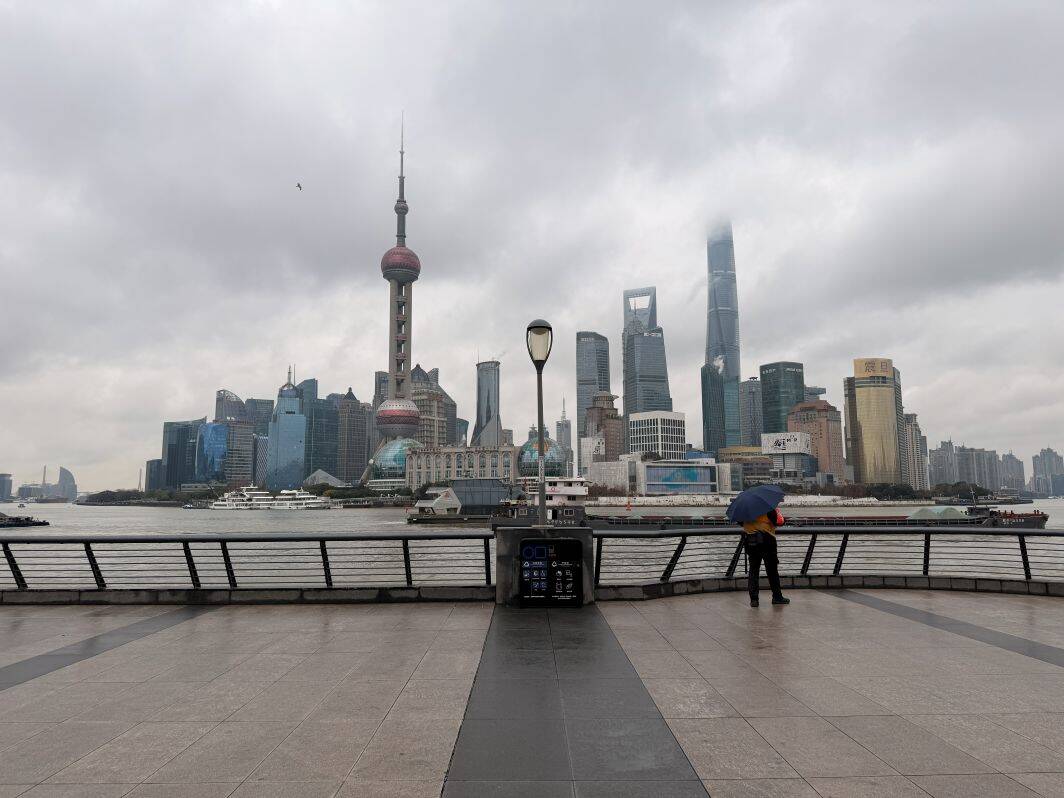
You imagined sunshine, long walks, maybe a view you’d been looking forward to for months. Instead, you wake up to gray skies and steady rain tapping against the window. The forecast doesn’t look promising, and suddenly, the plans you made don’t quite work anymore.
So you stay in the hotel room.
At first, it feels reasonable. You’ll wait it out. Maybe the weather will change. But as the hours pass, the mood begins to shift. Complaints creep in. Someone mentions that the trip feels wasted. Someone else keeps checking the weather app. Nothing is technically happening, yet frustration continues to build.
Meanwhile, inside your mind, the commentary grows louder.
This isn’t how it was supposed to go.
We should be out doing something.
This trip is a waste of time.
Why does this always happen?
Nothing has actually gone wrong. It’s just raining. And yet, the experience of the vacation is already being shaped by thoughts that haven’t been examined.
This is where mind exploration becomes powerful.
If you were to write everything down in this moment, the page might look messy and repetitive. Complaints about the weather. Frustration about wasted time. Disappointment that the trip doesn’t match the image you had in your head.
And that’s exactly the point.
Once you see those thoughts on paper, something important becomes clear: the rain isn’t what’s creating the disappointment. The thoughts about the rain are.
The situation itself is neutral. It’s raining. The meaning you assign to it is what determines whether the experience feels heavy or manageable.
✍️ Journaling Prompt: Capture the Moment
Write as if you are sitting in that hotel room right now:
- What are you thinking about the rain?
- What are you saying out loud or silently to yourself?
- How is this situation making you feel?
- What are you not doing because of these thoughts?
Let yourself complain on paper. Don’t fix anything yet. Just notice.
Seeing the Experience Clearly
Once your thoughts are written down, the experience begins to shift. You can see how a simple circumstance has turned into frustration, sadness, or disconnection. Not because of the weather, but because of the story forming around it.
This awareness doesn’t magically stop the rain. However, it gives you something far more valuable: the ability to choose what happens next.
That’s the turning point.
Follow One Thought Down a Path
With everything out on paper, the next step is to slow down and choose one thought to explore further.
Not all of them. Just one.
This is where many people rush ahead, trying to fix the entire situation at once. But lasting change comes from understanding how a single thought shapes the experience. Think of it like choosing one road on the map and seeing exactly where it leads.
Return to the rainy vacation example and choose a thought that stands out. Perhaps one you wrote multiple times or one that carried the most emotional weight.
For example:
“This vacation is ruined.”
Now, follow that thought step by step.
When you believe this thought, what emotion shows up? Maybe it’s sadness, frustration, disappointment, or resentment.
Then ask yourself: when you feel that emotion, what do you do? What don’t you do?
You might stay in the hotel room longer than you want to. You might complain to the people you’re traveling with. You might disengage, scroll on your phone, or mentally check out of the trip altogether.
None of these actions are wrong. In fact, they make complete sense once you see the path clearly. A single thought creates an emotion, and that emotion drives behavior.
Now pause and look ahead.
If you stayed on this path long enough, where would it take you?
Most likely to a vacation that feels heavy, disconnected, or disappointing. Not because of the rain, but because of the route your thinking followed.
This is the power of mind exploration. You begin to see that thoughts aren’t harmless background noise. They are directions. And when you don’t question them, they quietly determine where you end up.
✍️ Journaling Prompt: Trace the Thought
Choose one thought from your earlier writing and answer:
- What emotion does this thought create for me?
- What actions do I take when I feel that way?
- If I keep thinking this thought, what kind of experience will it create?
Write it like a path. Thought → Emotion → Actions → Map of Your Life
Awareness Creates Choice
Once you can see where a thought leads, you’re no longer stuck following it automatically.
You don’t need to force it away or pretend it isn’t there. Instead, you gain the freedom to decide whether that’s the route you want to continue traveling.
And if it’s not, you can choose a different one.
STEAM in action: How Thoughts Create Your Experience
When you follow one thought all the way down its path, a clear pattern emerges. It isn’t random. It isn’t bad luck. And it isn’t the destination.
It’s STEAM in action.
STEAM is a self-coaching framework that explains how your inner world shapes your outer experience:
- Thoughts create
- Emotions, which drive
- Actions, and those actions determine
- The Map your life and your travels follow
In the rainy vacation example, nothing dramatic occurred. No major crisis, just weather. Yet the experience of the trip began to unravel because of the thinking layered on top of that fact.
The thought “This vacation is ruined” created frustration and sadness. Those emotions led to complaining, disengaging, and staying stuck inside the hotel room. The map formed from those actions led straight to a disappointing experience.
Not because of the rain, but because of the route chosen in the mind.
This distinction matters, especially in travel, where so much is outside your control. Flights get delayed. Luggage goes missing. Plans change. Weather refuses to cooperate. When those things happen, your thoughts become the most powerful factor in determining how the experience unfolds.
STEAM doesn’t ask you to deny reality or force positivity. Instead, it invites you to notice what’s happening internally and recognize how each step influences the next. Once you see the pattern, you gain the ability to intervene, not at the action level, but at the thought level, where real change begins.
Change the thought, and the entire experience can shift.
✍️ Journaling Prompt: Identify Your STEAM Pattern
Using a situation you’re currently facing, write:
- Thought: What am I telling myself about this situation?
- Emotion: How does that thought make me feel?
- Action: What do I do when I feel that way?
- Map: Where is this pattern taking me?
Be honest. This is about clarity, not judgment.
WHY This Matters
Once you understand STEAM, you stop blaming the destination, the weather, or other people for how you feel. You begin to see that while you can’t control every situation, you can influence the experience you create within it.
And that realization is what opens the door to choice.
Decide What You Want Instead
Once you can clearly see the map your thoughts are creating, a new question naturally appears:
Is this the experience I want to have?
This is where many people feel stuck, as if the circumstances have already decided the outcome. But mind exploration reveals something important: even when you can’t change the situation itself, you still have a choice in how you experience it.
Return to the rainy vacation scenario.
Sitting in the hotel room complaining is one option. It’s a valid one. Sometimes people genuinely need to vent, withdraw, or wait things out, and that’s okay.
But it’s still a choice.
So is choosing something different.
Deciding what you want instead doesn’t mean denying disappointment or pretending the rain doesn’t matter. Rather, it means consciously choosing the experience you want to create from this point forward.
To begin shifting your route, ask yourself:
- How do I want to feel on this trip?
- What kind of memory do I want to take home?
- What do I want today to represent, even if conditions aren’t perfect?
When you answer these questions honestly, something subtle but powerful happens. You move from reacting to directing. Instead of being stuck in what is, you begin shaping what could be.
This is where the map begins to change. Not because the rain stops, but because the destination inside your mind does.
✍️ Journaling Prompt: Choose the Experience
Write your answers to the following:
- What kind of experience am I currently creating?
- Is this the experience I want?
- If I could choose again, what would I want instead?
Be specific. Instead of “a better day,” try “feeling connected,” “feeling curious,” or “making the most of where I am.”
Choice Is The Turning Point
Deciding what you want instead is a quiet but powerful moment. It’s where responsibility meets freedom.
You acknowledge what’s happening without surrendering your experience to it.
Once you know what you want, the next step becomes clear: choosing a thought that supports that experience.
Choosing a New Route: A Shift in Thinking
After you’ve decided what kind of experience you want to have, the next step is choosing a thought that supports it.
This is where mindset work is often misunderstood. Many people assume it requires forcing positivity or convincing yourself that everything is great. In reality, it usually begins with something far simpler: choosing a more useful thought.
Not a perfect one.
Not an overly optimistic one.
Just one that opens the door instead of slamming it shut.
In the rainy vacation example, the circumstances haven’t changed. It’s still raining. However, the route you choose in your mind can.
A new thought might sound like:
- “It’s okay that it’s raining.”
- “We can still enjoy parts of this trip.”
- “There are other ways to make today meaningful.”
These thoughts don’t deny reality. They acknowledge it and then expand it.
Once you choose a new thought, a new emotion naturally follows. Instead of frustration or sadness, you may feel curiosity, determination, or openness. That emotional shift changes what you’re willing to do next.
Rather than staying stuck in the hotel room, you might:
- Stop complaining
- Look for indoor experiences
- Explore covered markets, museums, or cafés
- Play games, read, or connect with the people you’re traveling with
The rain didn’t stop. But the experience changed.
This is how mindset works in real life. One intentional shift in thinking alters your emotional state, which changes your actions, and suddenly, you’re traveling a completely different route than the one you were on before.
✍️ Journaling Prompt: Create a New Route
Return to the situation you’ve been exploring and write:
- What thought am I currently believing that keeps me stuck?
- What is a more supportive thought I could choose instead?
- If I believed this new thought, how would I feel?
- What actions would naturally follow?
Write it out like a new map. Thought → Emotion → Actions → Map of My Experience
The Power of a Small Mindset Shift
You don’t need to overhaul your mindset to change your experience. Often, all it takes is one intentional turn. One thought that moves you forward instead of keeping you stuck.
That’s how a rainy day on vacation becomes manageable, even meaningful. And the same process applies far beyond travel.
Once you learn to explore your mind, you can use this approach anywhere: at the airport, during a difficult conversation, or when life throws an unexpected detour your way.
The circumstances may stay the same, but the experience doesn’t have to.
Applying Mind Exploration to any Situation
The power of mind exploration isn’t limited to rainy vacations. Once you understand how your thoughts create your experience, you can apply this process to virtually any situation in life or travel.
The circumstances change, but the pattern stays the same.
Fear before a flight.
Anger at a friend.
Bitter feelings after being treated unfairly.
An airline losing your luggage.
Plans falling apart when you’ve done everything “right.”
In each case, the situation itself is only part of the experience. What determines the emotional weight and the eventual outcome is what happens next in your mind.
Mind exploration always begins with separating facts from thoughts.
Facts are simple and neutral:
- It is raining.
- The airline can’t find my luggage.
- My flight is delayed.
Thoughts are the stories layered on top:
- This shouldn’t be happening.
- They ruined my trip.
- This always happens to me.
Once you write both down, the difference becomes clear. And once you see that difference, you begin to reclaim your power.
Life will never be fully controllable. Weather changes. People disappoint. Plans unravel. No matter how prepared you are, unexpected detours are part of every journey. At that point, you have two options: fight reality or work with it.
When you explore your mind instead of fighting reality, you stop adding unnecessary suffering to situations that are already difficult. You meet life as it is and then choose how you want to experience it.
✍️ Journaling Prompt: Apply the Process
Choose a current situation in your life and write:
- What are the facts of this situation?
- What thoughts am I having about those facts?
- How do those thoughts make me feel?
- What actions am I taking because of those feelings?
Notice how much of the experience comes from the story, not the circumstance.
A Skill You Can Take Anywhere
Once you learn how to explore your mind, you carry this skill with you everywhere you go. It becomes part of how you travel, how you handle challenges, and how you navigate everyday life.
You don’t need perfect conditions to create a meaningful experience. Instead, you need awareness, choice, and the willingness to guide your thoughts intentionally.
This is what allows you to enjoy a trip even when plans change or to find steadiness when life feels uncertain. The destination matters, but the experience you have along the way is shaped first by your thinking.
Mind exploration gives you a tool that doesn’t depend on location, timing, or external circumstances. Wherever you are, it’s available to you.
Control Vs. No Control: Where Your Power Is
One of the most freeing insights of mind exploration is understanding where your power actually lives.
Travel and life are full of things you cannot control. Flights get delayed. Luggage goes missing. The weather refuses to cooperate. Friends may disappoint you. Plans fall apart even when you’ve done everything “right.”
You can fight these realities endlessly. You can get frustrated, anxious, or angry. You can replay the situation in your mind and wish it were different. But none of that changes the facts.
The difference between a stressful experience and a satisfying one isn’t what happens, it’s how you respond.
Your power lives in what you can control:
- Your thoughts
- Your mindset
- Your attitude
- Your choices
This is where the STEAM framework becomes a guide rather than just a concept. Your thoughts create emotions. Your emotions shape your actions. And your actions determine the map you follow, the experience you have.
When you focus on what’s outside your control, you give your power away. When you focus on what’s within it, you reclaim it.
Even small choices matter. Choosing a more supportive thought. Shifting your focus. Looking for one option instead of none. These seemingly minor adjustments can change the entire route of your experience.
Think back to the rainy vacation. You couldn’t make the sun appear. You couldn’t stop the rain. But you could choose a thought:
- “It’s okay that it’s raining, we can still enjoy this day.”
From that thought comes a new emotion: determination, curiosity, or even amusement. That emotion led to different actions: finding indoor sights, playing games, or enjoying a cozy café. And suddenly, the map of the day looked completely different.
Your power is always in your mind. The rest is just scenery.
✍️ Journaling Prompt: Where is Your Power?
Reflect on a situation that’s currently stressful or disappointing:
- What aspects of this situation are outside my control?
- What aspects are within my control?
- How can I shift my focus to what I can influence right now?
- What one thought could put me back in the driver’s seat?
Write freely; this is your map of control.
Remember
You will never have total control over life or travel. But you will always have control over your mind. And when you learn to guide your thoughts intentionally, you can create satisfying experiences anywhere, anytime, regardless of what the external world throws at you.
Guide Your Thoughts Where You Want To Travel
By now, you’ve explored your mind, traced thoughts down their paths, practiced STEAM, and identified where your power truly lives. The final step is simple, but deeply transformative:
Guide your thoughts intentionally.
Think of your mind as the captain of your journey. Your thoughts act as the compass. Without awareness, that compass may spin wildly, leading you toward frustration, disappointment, or stress. With awareness, you can steer it in the direction you actually want to go.
Guiding your thoughts doesn’t mean ignoring reality or pretending challenges don’t exist. Instead, it means choosing the route that serves you best, even when conditions aren’t ideal.
Return one last time to the rainy vacation.
The weather didn’t change. But the experience did.
- Old thought: “This vacation is ruined.”
→ Emotion: frustration
→ Action: staying inside, complaining
→ Map: a wasted day - New thought: “It’s okay that it’s raining; we can still enjoy this trip.”
→ Emotion: determination or curiosity
→ Action: finding indoor activities, connecting, exploring
→ Map: a meaningful, memorable experience
This is the power of choice. Every thought you choose becomes a direction on your map. And the more you practice, the easier it becomes to catch unhelpful thoughts before they take you somewhere you don’t want to go.
You can use this approach anywhere:
- Waiting at the airport
- Hiking in unexpected weather
- Dealing with delays or lost luggage
- Navigating conflict or disagreement
Mind exploration allows you to travel and live, with intention. Instead of reacting to what happens around you, you guide your experience from within.
✍️ Journaling Prompt: Direct Your Mental Compass
Take a moment to write:
- Which thought is currently leading me off course?
- What new thought could guide me toward a better experience?
- What emotion would naturally follow that thought?
- What action can I take to follow this new path?
If it helps, draw your “map”. Show the old route and the new one you are choosing.
Your Journey Starts in Your Mind
The destination matters. But the experience you have getting there is shaped first by your thoughts.
When you guide your thinking intentionally, every journey becomes richer, more fulfilling, and more aligned with what you actually want to feel and remember. With awareness and choice, you can travel anywhere and create meaning anywhere, rain or shine.
Final Thoughts: Create A Map You Want To Follow
Travel isn’t just about the places you visit. It’s about the experiences you create along the way, and those experiences begin long before you step on a plane. They bigin in your mind.
By exploring your thoughts, following them down their paths, and using the STEAM framework, you gain clarity around how your thinking shapes your emotions, actions, and ultimately, the map of your journey. You start to notice where you’ve been traveling on autopilot, and where you might want to choose a new route.
Life and travel will never be perfect. Weather changes. Plans fall apart. People disappoint you. Flights get delayed. Luggage gets lost. But your experience doesn’t have to be dictated by circumstances outside your control.
Your power lives in your thoughts, your mindset, and the choices you make about how to respond.
When you guide your mental compass intentionally, you create a map you actually want to follow. One that leads to growth, connection, and meaningful experiences.
This isn’t just a travel strategy. It’s a life skill.
A small shift in thought can change how you feel.
That emotional shift can change what you do.
And those actions can change the entire direction of your journey.
You may not control everything around you, but you always have influence over what happens within you. And that influence is enough to transform how you experience the world.
✍️ Journaling Prompt: Design Your Life Map
Take a moment to reflect and write:
- What patterns in my thinking have been shaping my experiences?
- Which thoughts do I want to continue following, and which do I want to redirect?
- How can I intentionally guide my thoughts today to create the experience I want?
- What small actions can support this new path?
Draw it if you like. Imagine your life as a map, with choices leading to the experiences and destinations you truly want.
Your Takeaway
You are both the traveler and the navigator.
Your mind is the map.
Your thoughts are the compass.
When you explore your thinking, choose intentionally, and guide your thoughts with awareness, you create a journey that feels purposeful, grounded, and deeply satisfying, no matter where you go.
Even a rainy day can become a highlight when you decide where you want your thoughts to take you.
Take Your Mind Exploration Further
Ready to guide your thoughts and create the experiences you truly want?
Our Celebrate All Wins Mindset Coaching Programs are designed to help you practice thought exploration, apply the STEAM framework, and build positive mindset habits that last.
Whether you’re managing travel anxiety, navigating disappointment, or learning how to respond differently when plans fall apart, these programs give you practical tools to explore your mind, choose your thoughts, and intentionally design the map of your life.
✨ Explore the different programs here
Start practicing mind exploration today, and discover how even the smallest shift in thinking can transform your journey, on the road and beyond.
Mind Set On Travel Disclaimer
Mind Set On Travel may contain affiliate links to products and services. If you make a purchase using one of our links, we may receive compensation from the company at no additional cost to you. This helps support our work while allowing us to continue sharing travel tips and resources. Read our full disclaimer here.