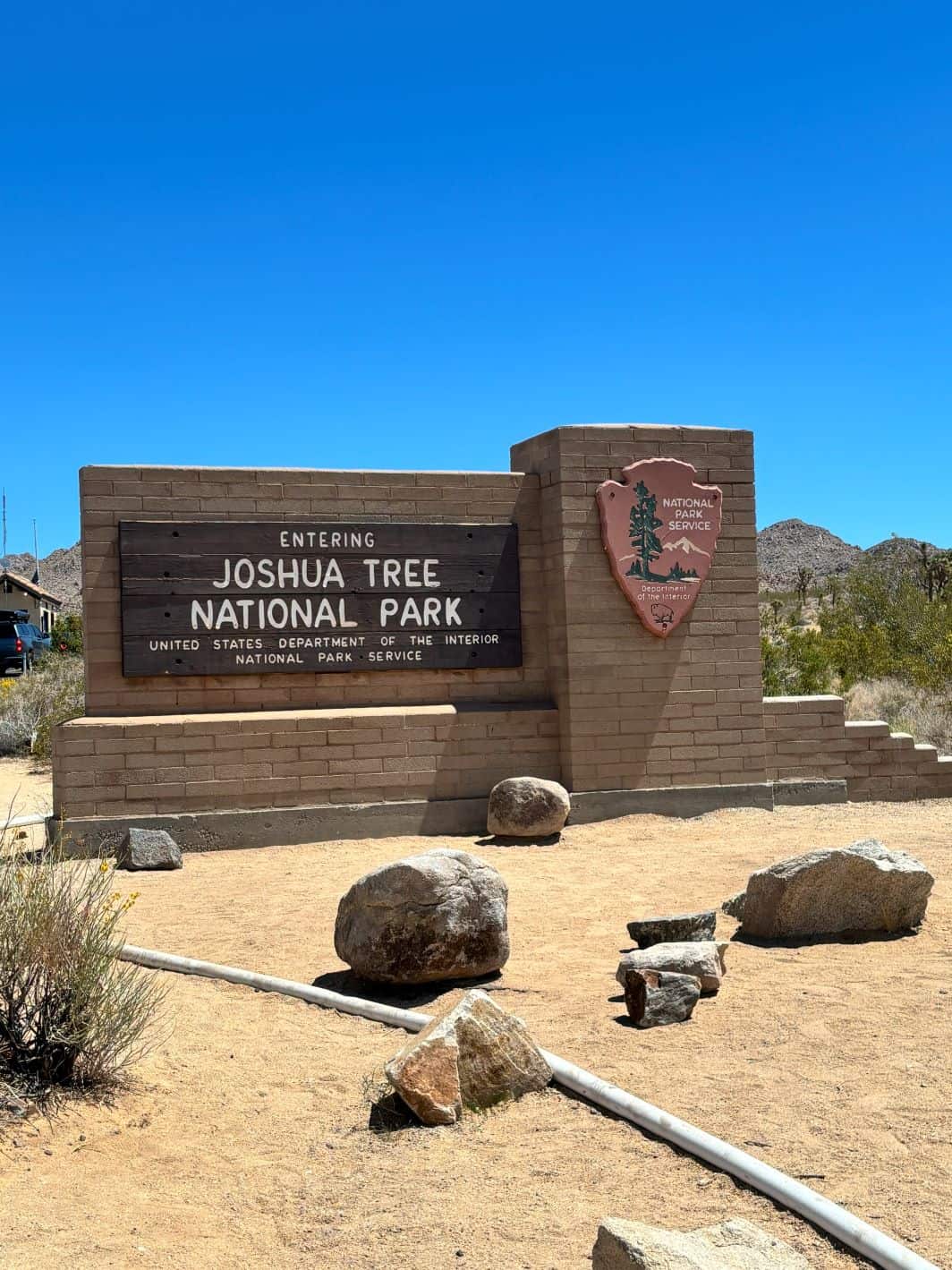
Joshua Tree National Park: What to Know Before You Go
There are times each spring when the dry, rugged terrain of Joshua Tree National Park comes alive with color. After months of silence and sunbaked earth, the desert floor begins to stir, tiny shoots break through the soil, buds unfurl, and the vast, muted landscape suddenly bursts into vibrant color. Wildflowers bloom in radiant waves of yellow, purple, and pink, carpeting trails and canyon edges. Towering Joshua trees, with their twisted limbs and shaggy green tufts, reach skyward like guardians of this floral miracle, casting long shadows across the golden earth.
With our travel goal of visiting all 63 National Parks, we witnessed this impressive display of color. Joshua Tree National Park, with its otherworldly landscapes and silent desert magic, became the 13th jewel in our growing collection of National Park memories.
In this travel story, we’ll bring you along on our hikes, what we loved, what we learned, and what you need to know before you go on your own adventure.
Mind Set On Travel Disclaimer
Mind Set On Travel contains affiliate links and is a member of the Amazon Services LLC Associates Program. If you make a purchase using one of our links, we may receive compensation from the company at no additional cost to you. Read our disclaimer here.
Hiking In Joshua Tree National Park
Joshua Tree National Park offers over 120 hiking trails, ranging from short, easy nature walks to challenging backcountry routes. Whether you’re looking for a family-friendly stroll through Hidden Valley, a scenic climb to the top of Ryan Mountain, or a quiet journey through the Cholla Cactus Garden, there’s a trail for every level of hiker.
Where Joshua Tree National Park is Located
- Southeastern California
- At the intersection of the Mojave and Colorado deserts
- Closest towns: Joshua Tree, Twentynine Palms, Yucca Valley
- Closest airport if flying in: Palm Springs, California (PSP)
Why Joshua Tree Stands Out
- Surreal rock formations perfect for hiking and climbing
- Iconic Joshua trees
- Amazing sunsets and stargazing
- A place that demands you slow down and reflect
- Vibrant blooms in spring
Our Hikes
With so many incredible hikes to choose from, narrowing it down was tough. Given our limited time, we chose Maze Loop Trail and Lost Horse Mine Loop Trail to make the most of our visit.
The Maze Loop Trail in Joshua Tree National Park is a moderately challenging 4.5-mile loop that weaves through a labyrinth of towering rock formations, sandy washes, and diverse desert flora.
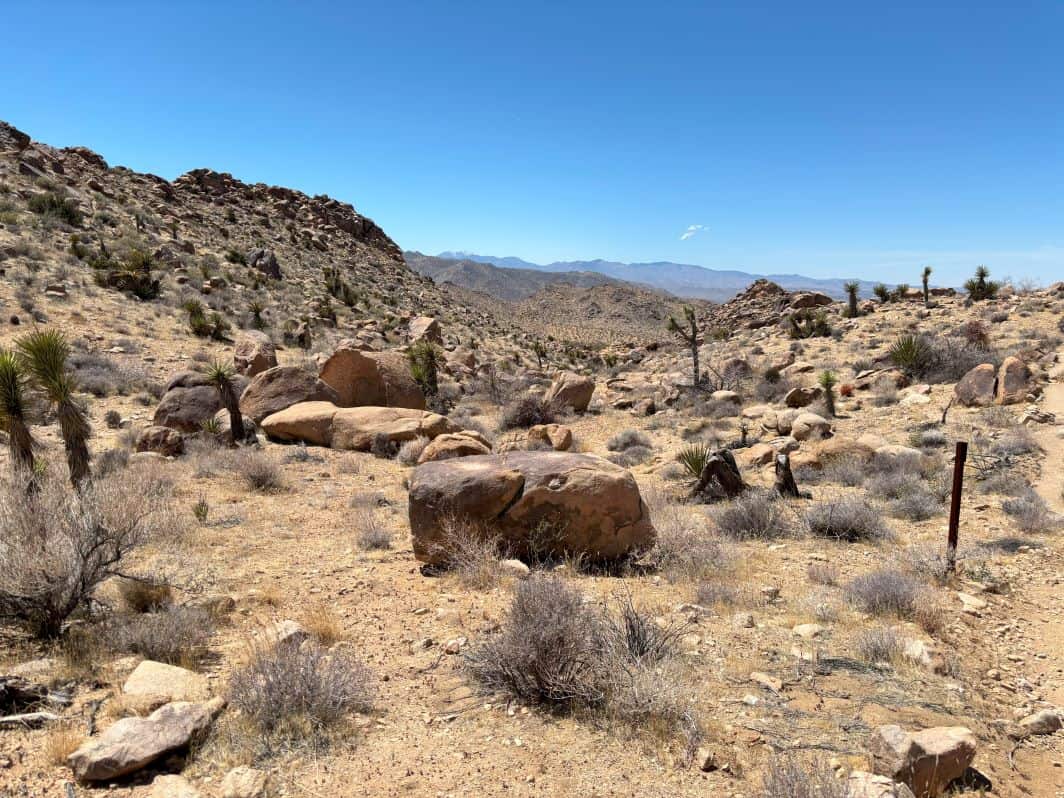
MAZE LOOP TRAIL: We chose this trail on our first day because it was conveniently located near the North Entrance. The dramatic rock formations practically called out to us, inviting exploration. Along our hike, we were treated to stunning views.
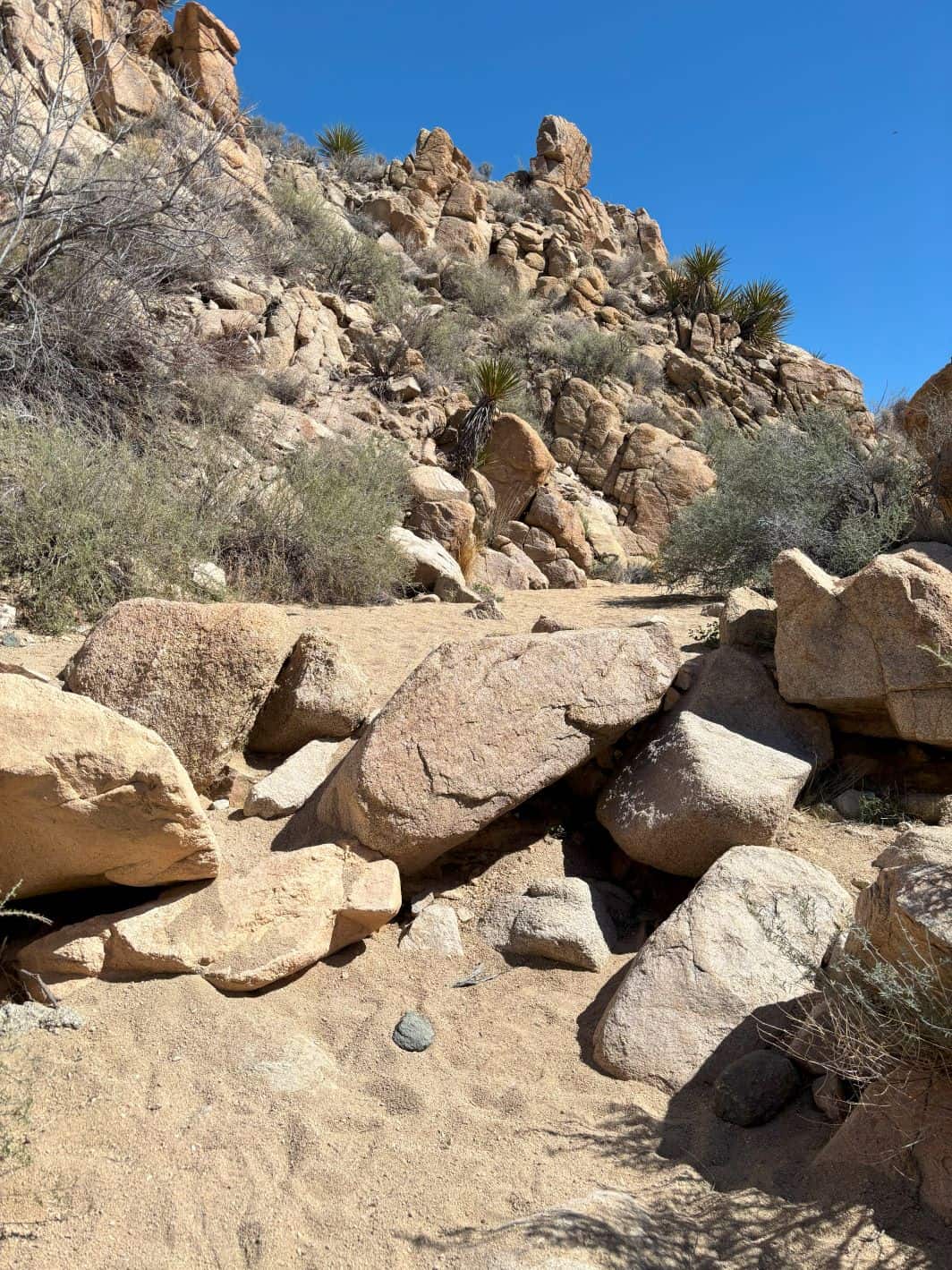
As we made our way through winding paths and towering boulders, we were struck by the quiet solitude of the desert and the ever-changing landscape. The mix of rocky corridors, open sandy washes, and the occasional burst of wildflowers made it feel like we were stepping into a natural maze full of surprises. Each turn revealed something new, with twisted Joshua trees casting long shadows, lizards darting across sun-warmed rocks, and panoramic views that seemed to stretch endlessly.
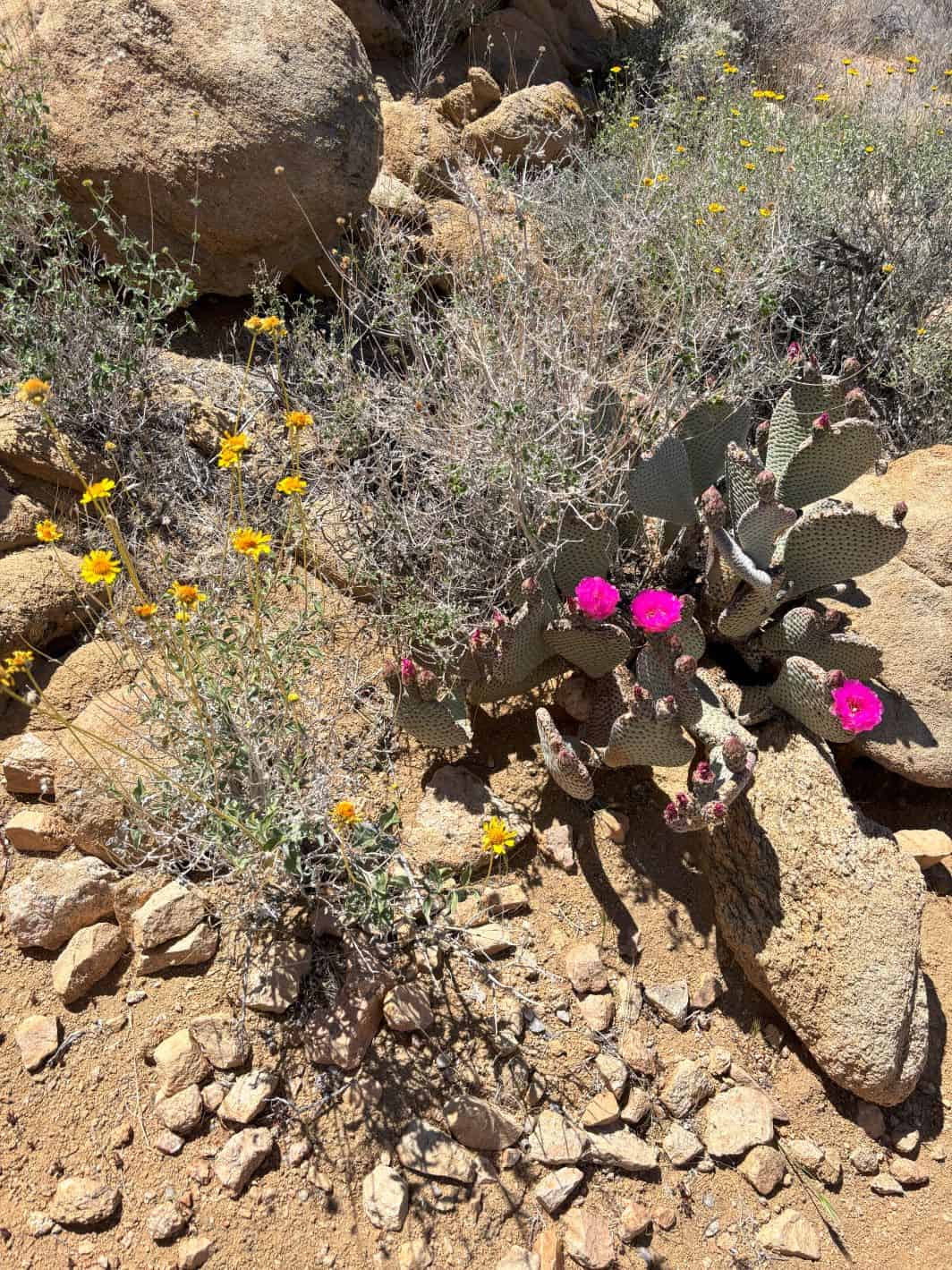
We especially enjoyed all the flowering cacti along our hike, with their vibrant blooms adding a burst of color to the desert. The colors range from bright pinks to deep yellows. These unexpected bursts of life made the desert feel less barren and more full of hidden wonders, reminding us that even in the harshest environments, nature finds a way to thrive. Each blossom felt like a small, unexpected celebration of spring in the arid wilderness.
The Lost Horse Mine Loop Trail offers a captivating blend of natural beauty and rich history. This 6.2-mile loop trail, with an elevation gain of approximately 1,292 feet, wanders through the serene Mojave Desert landscape, showcasing iconic Joshua trees, rugged hills, and expansive views of Lost Horse Valley.
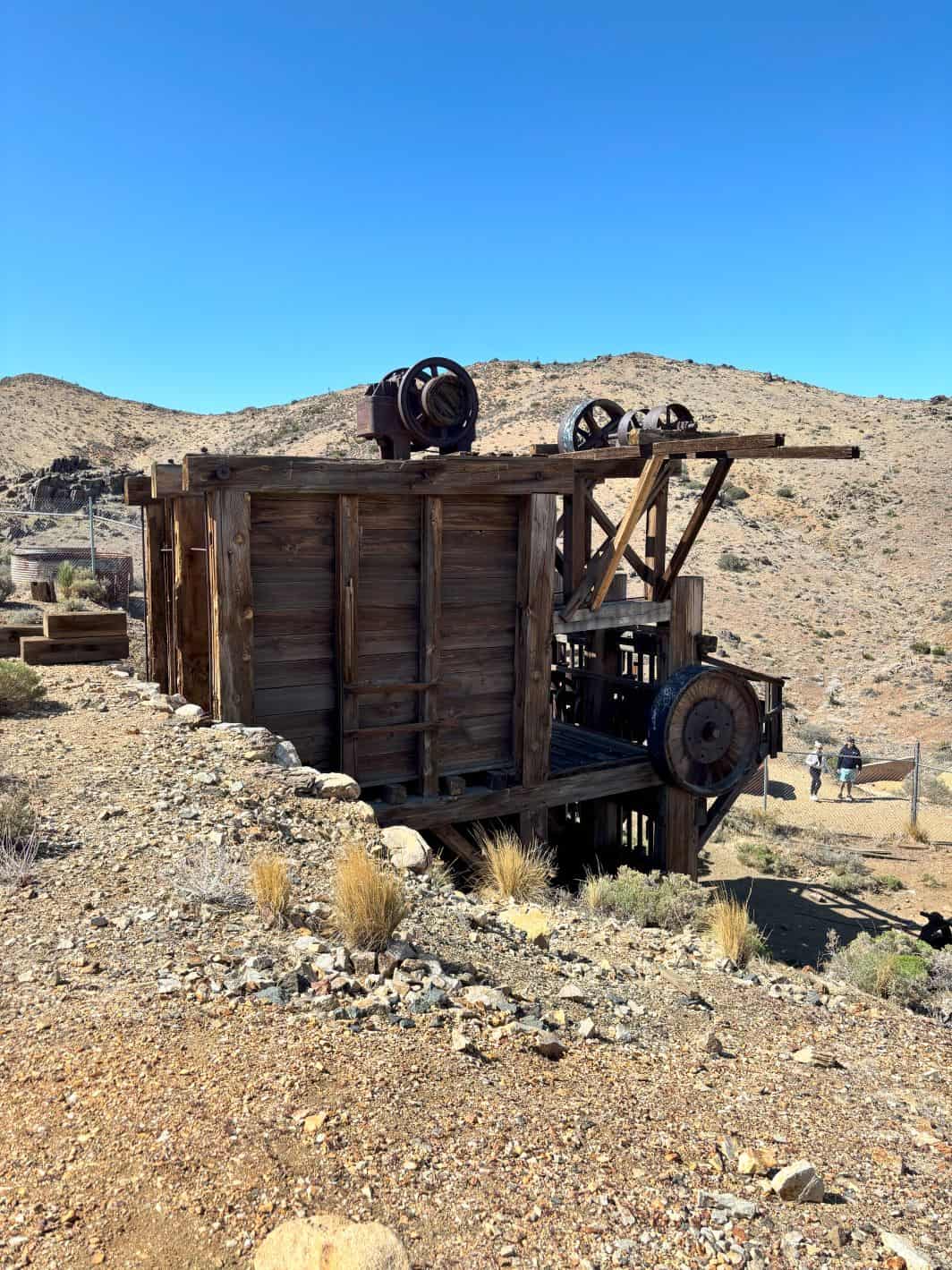
We chose this trail because of the historic Lost Horse Mine, one of the best-preserved mining sites in Joshua Tree National Park. Operating from 1893 to 1936, the mine produced over 9,000 ounces of gold, an impressive haul that speaks to its significance during the California gold rush era. By taking the Lost Horse Mine Spur off the main loop, you can view the fascinating remnants of the mine’s original structures, including the old stamp mill.
For those seeking a shorter hike, an out-and-back option to the mine spans approximately 4 miles round trip with a moderate elevation gain of 550 feet
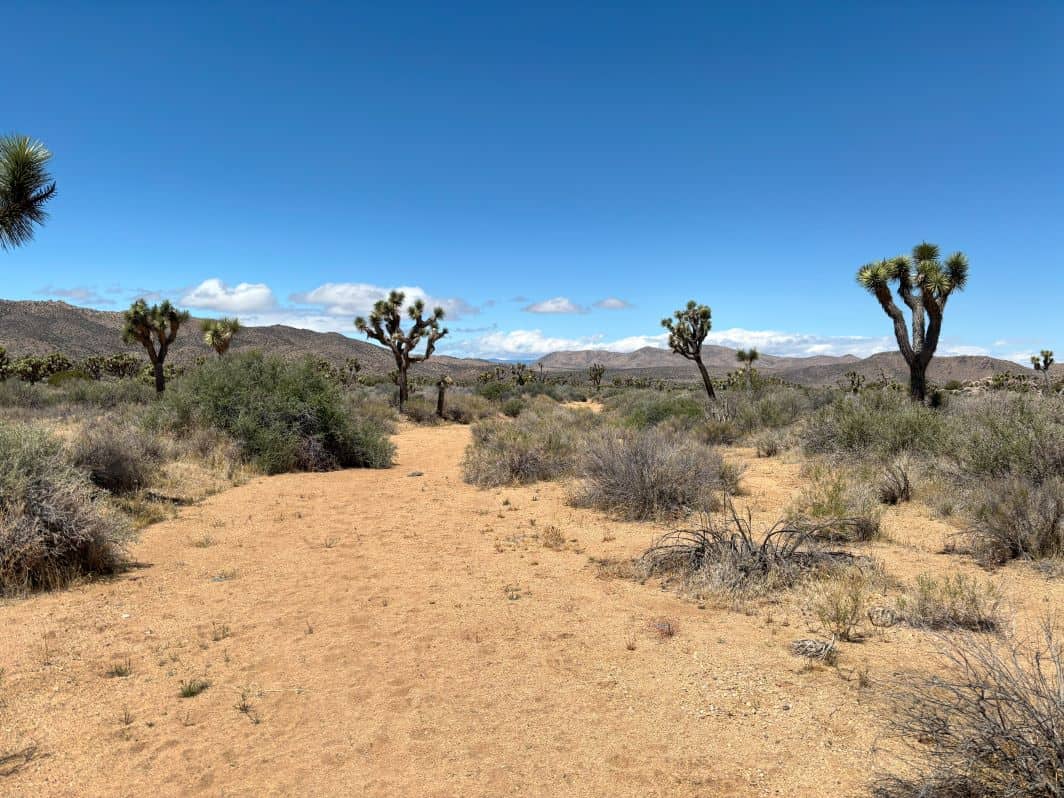
The Joshua trees were absolutely fascinating in their uniqueness—no two looked the same, with twisted limbs reaching in every direction like desert sculptures. We were also surprised by the stark contrast between the younger trees and the more mature ones.
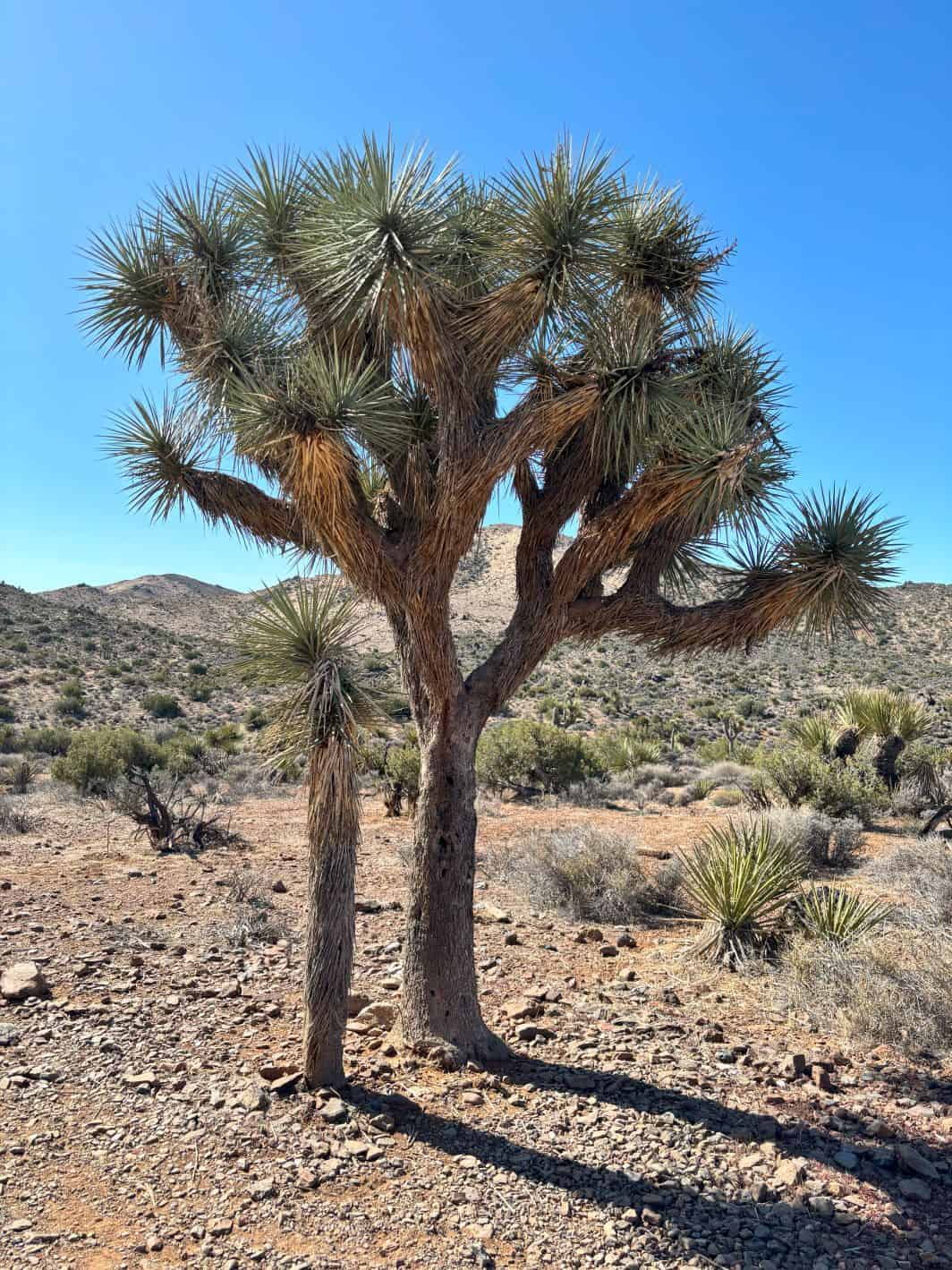
The younger Joshua trees were shorter and more compact, with bright green, spiky leaves clustered at the top, while the older trees stood tall with weathered trunks and sprawling, multi-armed branches that told stories of enduring harsh desert conditions over decades, even centuries. Each one felt like a character in the landscape, full of personality and resilience.
Did you know that a Joshua tree typically grows only about 2 to 3 inches per year? That means some of the larger, more established trees in the park could be hundreds of years old. Standing among them feels like walking through a living timeline of the Mojave Desert’s history.
Tips for Hiking Joshua Tree
We’re day hikers who enjoy the comfort and ease of more groomed trails, which allow us to focus on the scenery and the experience rather than navigation challenges. Having reliable tools like AllTrails Pro helps us stay on track and gives us peace of mind, especially in vast parks like Joshua Tree where it’s easy to get turned around. It’s all about enjoying the journey while feeling confident we won’t get lost along the way.
What to Bring on Your Hike
- Water: The most important item you’ll need. The desert is dry, and dehydration can set in quickly, even in cooler temperatures.
- Sun Protection: Even in spring, the sun can be intense. Pack sunscreen, sunglasses, a wide-brimmed hat, and lip balm with SPF.
- Layered Clothing: Early mornings and evenings can be cool, while afternoons can heat up rapidly. Wear breathable, moisture-wicking clothes that you can easily layer. A light jacket or fleece will be useful for the cooler mornings and evenings.
- Sturdy Hiking Boots: The trails in Joshua Tree can be rocky and uneven, especially near the wildflower fields and rocky outcrops. A good pair of hiking boots will protect your feet and keep you comfortable throughout the day.
- Phone with Camera: While you might not always have reception while hiking, it’s still a good idea to bring your phone with a camera. It’s the perfect tool to capture the stunning landscapes, unique rock formations, and those unexpected moments of beauty along the trail. Plus, having a camera on hand allows you to preserve memories of your hike, whether it’s a breathtaking sunset or a rare desert bloom, ensuring you can relive the experience long after the adventure ends.
- AllTrails Pro (for Offline Maps): Since cell service can be unreliable on the trails, we always use the AllTrails app and download our maps ahead of time. The Pro version is especially helpful, as it uses satellite GPS to track your location even without reception. If you have an Apple Watch, it will even vibrate to alert you if you stray from your selected trail, which is super handy when navigating unfamiliar terrain. Beyond navigation, it’s also a fun way to see your route, distance, and elevation gain after your hike, making it both a practical and rewarding tool for outdoor adventures.
Leave No Trace
We all need to do our part in keeping our National Parks pristine. By following Leave No Trace principles, we help protect the beauty and biodiversity of these cherished landscapes for future generations. Let’s ensure that these parks remain untouched and awe-inspiring for years to come.
- Stay on established trails: Walking off the trail can damage fragile plant life, including the wildflowers and cacti. Stick to designated paths to protect the delicate desert environment.
- Don’t pick the flowers: As tempting as it may be to take a bloom home, remember that wildflowers are an important part of the ecosystem. Picking flowers can have a negative impact on local wildlife that depends on them for food and shelter.
- Pack out all trash: There are no trash cans on most trails, so it’s essential to carry out everything you bring in, including food wrappers, water bottles, and other waste. If you find trash along your hike, please help out and pick it up.
- Respect wildlife: Keep your distance from animals, including the occasional desert tortoise, bighorn sheep, or desert fox. Observing them quietly from afar ensures their safety and preserves their natural behaviors.
Mindset while Hiking Joshua Tree National Park
One of the things that makes Joshua Tree so special is its quiet. Unlike many of the more crowded national parks, Joshua Tree retains a serene, almost otherworldly stillness. There’s a peaceful isolation here that allows you to truly disconnect from the noise of everyday life. Take the time to slow down and appreciate the silence. Let it wash over you as you soak in the beauty of the vast desert, the wind whispering through the Joshua trees, and the sun casting long shadows across the rocks. This stillness has a grounding effect, offering not just a deeper connection to the landscape, but also to yourself.
When to Visit Joshua Tree National Park
We visited Joshua Tree in April, and it was an ideal time to explore the park. Daytime temperatures were comfortably mild, ranging from the 60s to 70s, while nights dipped into the 30s, so layering was key. There were plenty of people out enjoying the park, but it never felt crowded. It was just the right balance of solitude and shared appreciation.
One of the highlights of our visit was the abundance of wildflowers in bloom, adding bursts of color to the muted desert tones. If you’re hoping to catch this spectacle, the sweet spot is typically late February through April. However, the timing can vary each year depending on the rainfall during the preceding winter, so it’s best to check the Joshua Tree National Park website for current bloom conditions before you go.
For the Joshua trees themselves, the best time to see them in bloom is March to early April, when they’re often surrounded by a vivid display of wildflowers, making for unforgettable scenery and photos.
Tip: Avoid visiting in the summer months unless you’re well-versed in desert hiking. Temperatures can soar into dangerous territory, making outdoor activity challenging and potentially hazardous. Spring is truly the sweet season to experience all that Joshua Tree has to offer.
Where to Stay When Visiting Joshua Tree National Park
Hotels
We stayed at Spark by Hilton Yucca Valley Joshua Tree, a convenient and comfortable option located just outside the park. It’s perfect for early morning hikes or catching a desert sunrise. If you’re looking for more of a city vibe with added dining and entertainment options, Palm Springs is an easy drive away and makes a great home base while still allowing you to experience the serenity and beauty of Joshua Tree National Park. You can explore hotel options HERE to find the best fit for your travel style.
Camping
There are several designated camping areas in and around Joshua Tree National Park, whether you’re camping in a tent, traveling in an RV, or looking for group sites. Explore your options HERE. Note: Reserve campsites early, especially in spring or fall when the weather is ideal.
VRBO – Vacation Rentals by Owner
You can also explore unique vacation rentals in the area through VRBO by clicking HERE. These stays offer a wonderful opportunity to enjoy the beauty of the desert with all the comforts of home. VRBO is a platform where property owners list their homes, cabins, condos, and other properties for short-term rental.
Final Thoughts: Joshua Tree National Park
Joshua Tree National Park is a truly enjoyable experience. Visiting during the blooming season is especially magical, as the arid desert transforms into a vibrant tapestry of colors and life. From the iconic, twisting Joshua trees adorned with delicate blossoms to the wildflowers scattered across the desert floor, the park becomes a celebration of the resilience and beauty of desert flora.
But there’s more to Joshua Tree than just stunning views and photo-worthy moments. This is a place that invites you to slow down, breathe deeply, and truly connect with nature. The quiet stillness of the desert landscape offers a rare chance for reflection, grounding, and peace.
Joshua Tree reminds us that even in the harshest environments, life not only survives but thrives. It’s a testament to nature’s strength and subtle beauty, and to what we can discover when we simply take the time to notice.
We hope you enjoy this incredible place and join us as we continue our journey to explore all 63 U.S. National Parks.
Ready to plan your own National Park adventure? Check out our Travel Resources page for all the tools and tips we use to make our trips smooth, fun, and unforgettable.