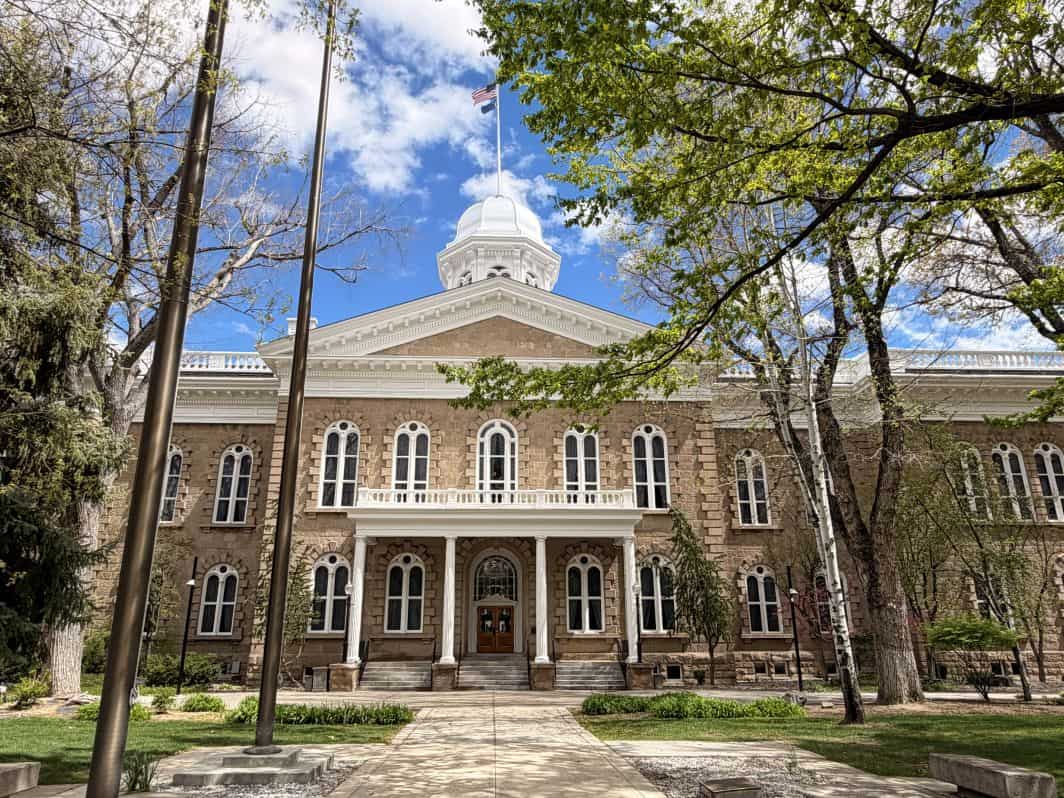
Nevada State Capitol: U.S. Capitols Challenge
Known as the “Silver State,” Nevada’s identity was shaped by rich silver deposits that fueled its economy and fast-tracked its path to statehood. When it joined the Union on October 31, 1864, it played a strategic role during one of the most pivotal times in American history.
But here’s what surprised us…
Visiting the Nevada State Capitol as part of our U.S. Capitols Challenge didn’t feel like visiting most state capitols.
There’s no grand interior dome.
No sweeping rotunda drawing your eyes upward.
No overwhelming sense of scale.
Instead, this Capitol tells a different kind of story; one shaped by urgency, politics, and a nation in need of direction. It’s a place where history isn’t just reflected in architecture, but in the decisions that helped shape the future of the United States.
When Did Nevada Become a State?
Nevada became the 36th state on October 31, 1864, right in the middle of the Civil War. And that timing wasn’t just important…. it was strategic.
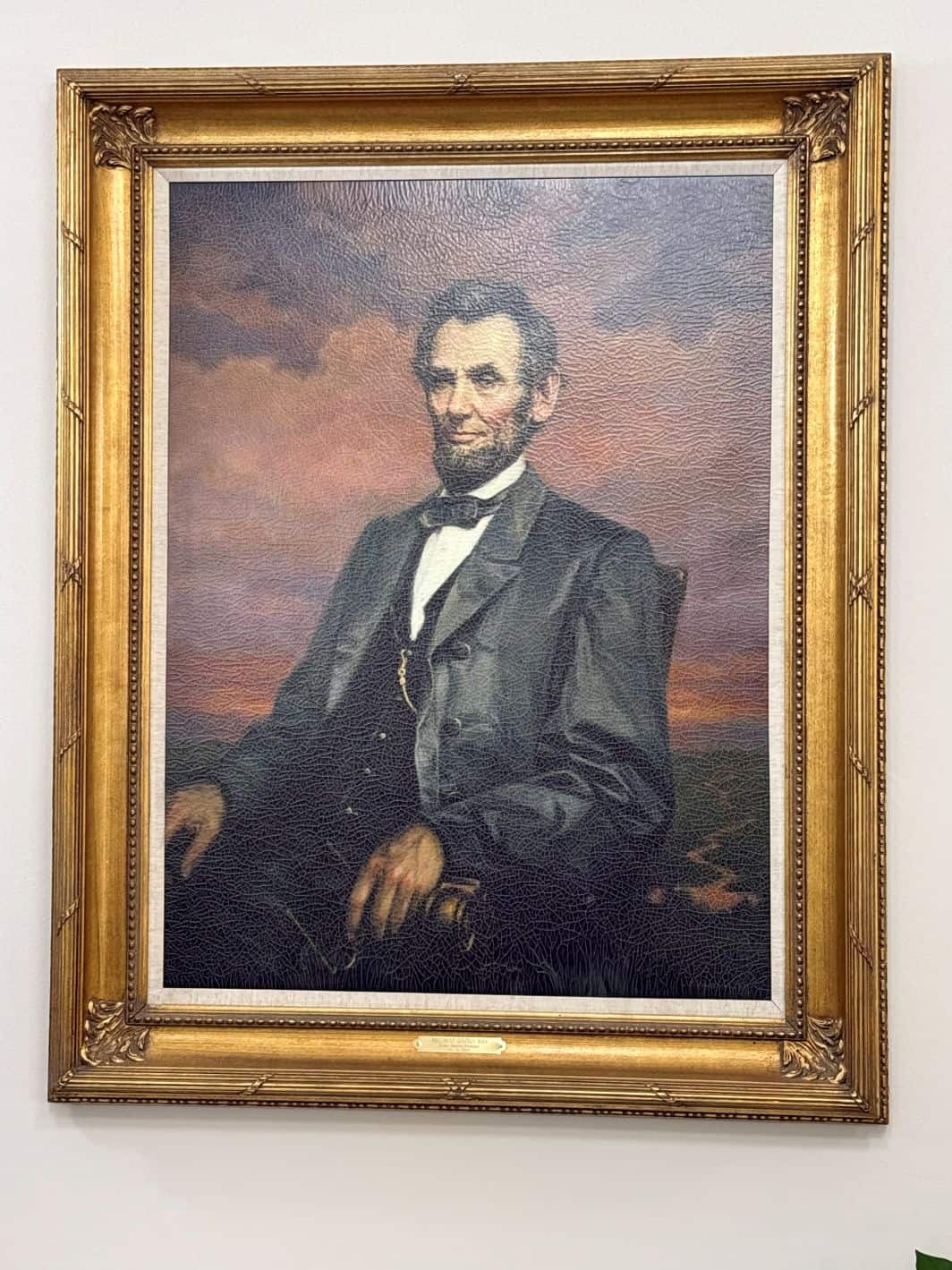
As the nation faced deep division, Nevada’s admission to the Union helped strengthen the North. Its vast silver resources supported the war effort, and its statehood added crucial electoral votes that helped secure President Abraham Lincoln’s reelection.
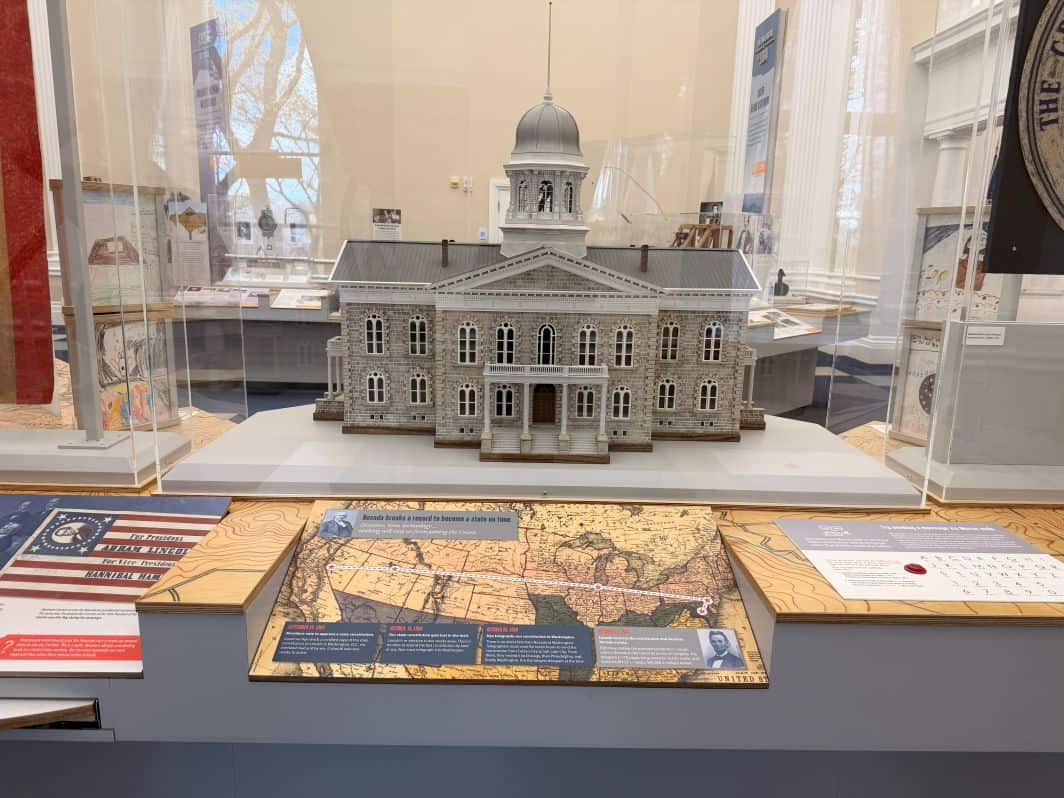
In fact, Nevada’s push for statehood happened so quickly that its constitution was famously sent to Washington, D.C. by telegraph; the longest message ever transmitted at the time.
This wasn’t just a milestone for a growing territory.
It was a calculated move that shaped both Nevada’s identity and the future of the United States.
Why Nevada Became a State
Nevada’s path to statehood wasn’t slow or gradual. It was accelerated by urgency, opportunity, and national need.
Support for the Union
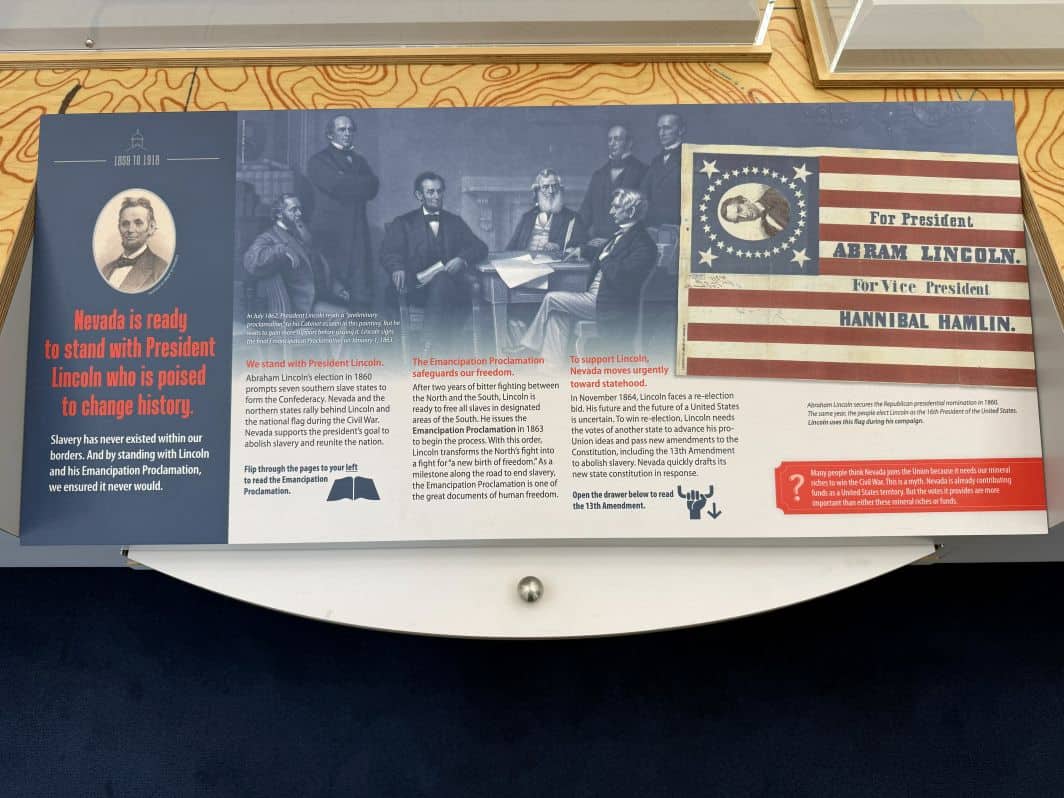
During the Civil War, President Abraham Lincoln was looking to strengthen the Union. Nevada’s population may have been small, but its loyalty wasn’t. Admitting Nevada meant gaining reliable electoral votes at a critical time.
Silver Wealth
As a United States territory, Nevada was already contributing funds to help win the Civil War, but it’s silver wealth continued to help fund the Union war effort, making Nevada incredibly valuable despite its small population.
Helped Shape the Nation’s Future
Nevada’s statehood also played a role in securing support for key legislation, including the 13th Amendment, which abolished slavery.
This wasn’t just about adding another state to the map.
It was about influence, resources, and timing.
How Nevada Became a State
Nevada’s journey to statehood was fast and a little unconventional.
With urgency driven by the ongoing war, Nevada drafted a state constitution that aligned with Union values.
Then came one of the most remarkable moments in statehood history.
To meet a critical deadline before the 1864 presidential election, Nevada transmitted its entire constitution via telegraph to Washington, D.C. At the time, it was the longest telegraph ever sent.
Within days, Lincoln officially signed the proclamation, granting Nevada statehood.
The Nevada State Capitol’s Speed and Simplicity
And that same mindset, urgency, practicality, and purpose, didn’t stop with statehood.
It carried directly into the construction of the Nevada State Capitol.
When Nevada became a state, there was no time or need for extravagance. The priority was clear: build a functioning seat of government quickly, efficiently, and affordably.
How Fast Was the Nevada State Capitol Built?
Construction of the Nevada State Capitol began in 1870 and was completed by 1871.
In just about a year, Nevada had a fully operational Capitol building.
That speed is impressive even by today’s standards, but in the 1870s, it speaks volumes about the state’s urgency and mindset. Nevada was still young, still growing, and still focused on function over form.
How Affordable Was the Nevada State Capitol?
The Capitol was built for approximately $170,000, a remarkably modest sum even for that time period.
Instead of prioritizing elaborate design or expensive materials, Nevada leaned into practicality:
- Locally sourced sandstone from the Nevada State Prison Quarry reduced construction costs
- Simple, symmetrical design improved efficiency
- Minimal decorative elements kept the Capitol affordable
This wasn’t about making a statement of wealth; it was about creating a space that worked.
Understanding the Unique Design of the Nevada State Capitol
At first glance, the Nevada State Capitol appears traditional. There is a dome rising above the building, giving it that classic Capitol silhouette you might expect. But step inside, and you’ll quickly realize something surprising.
No Rotunda, No Interior Dome
Unlike many U.S. capitol buildings, there is no grand rotunda welcoming you inside. There’s no sweeping interior dome to look up at in awe.
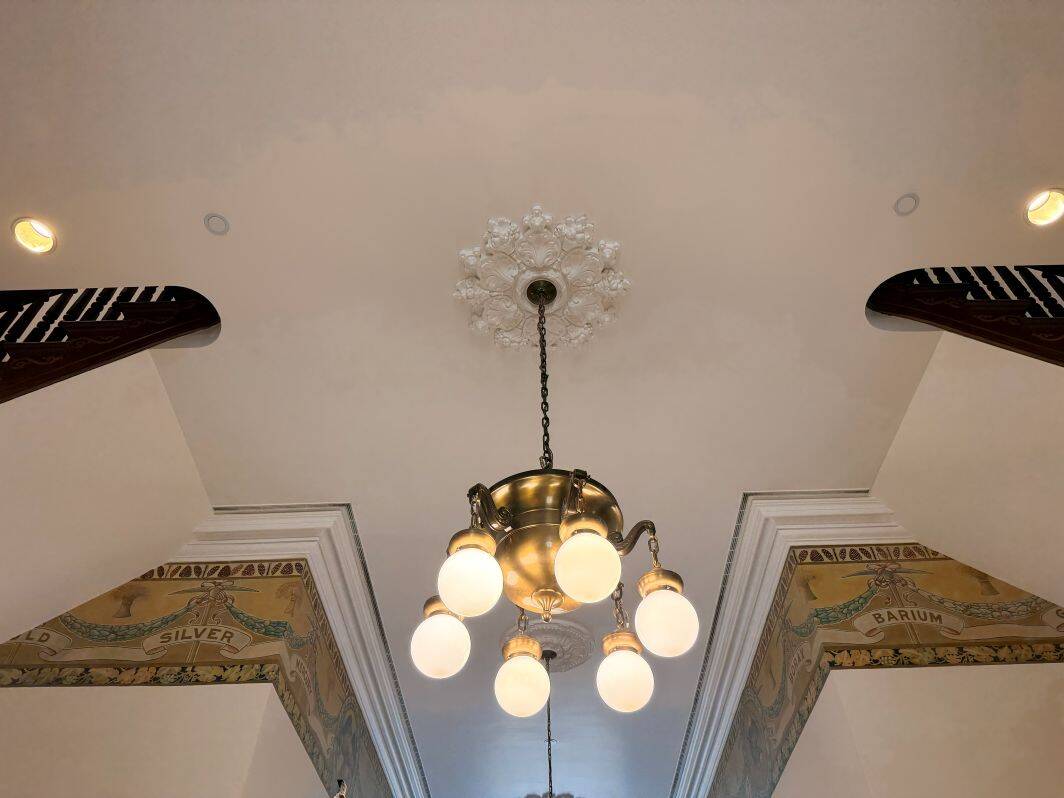
During renovations, structural concerns led to a major decision. The building was not considered sound enough to safely support the open interior dome space. So instead of preserving that traditional feature, they closed it in.
It’s a fascinating example of function over form.
Rather than risking safety for architectural tradition, Nevada chose practicality.
A Capitol with Four Domes?
Here’s where it gets even more interesting.
While the main building has an exterior dome, the interior doesn’t reflect it. However, nearby annex buildings introduce additional domes into the overall complex.
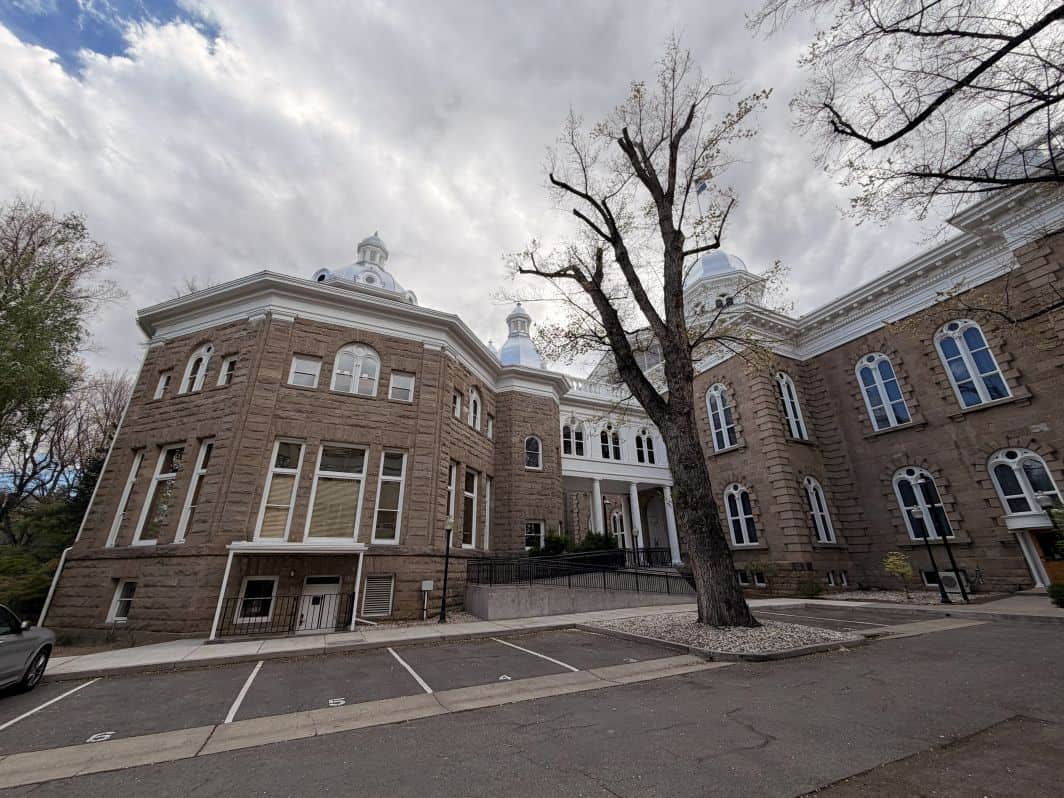
When you take it all in, the Nevada State Capitol technically features four domes across its connected structures.
It’s a reminder that not every Capitol follows the same blueprint, and that’s part of what makes exploring all 50 so much fun.
Where Government Happens Today
If you walk into the original Nevada State Capitol expecting to see legislative sessions in action, you might be surprised.
A Shift Away from the Original Capitol
Today, the Senate and Assembly no longer meet inside the historic capitol building.
Instead, they operate out of a newer legislative building nearby, designed to accommodate modern government needs better.
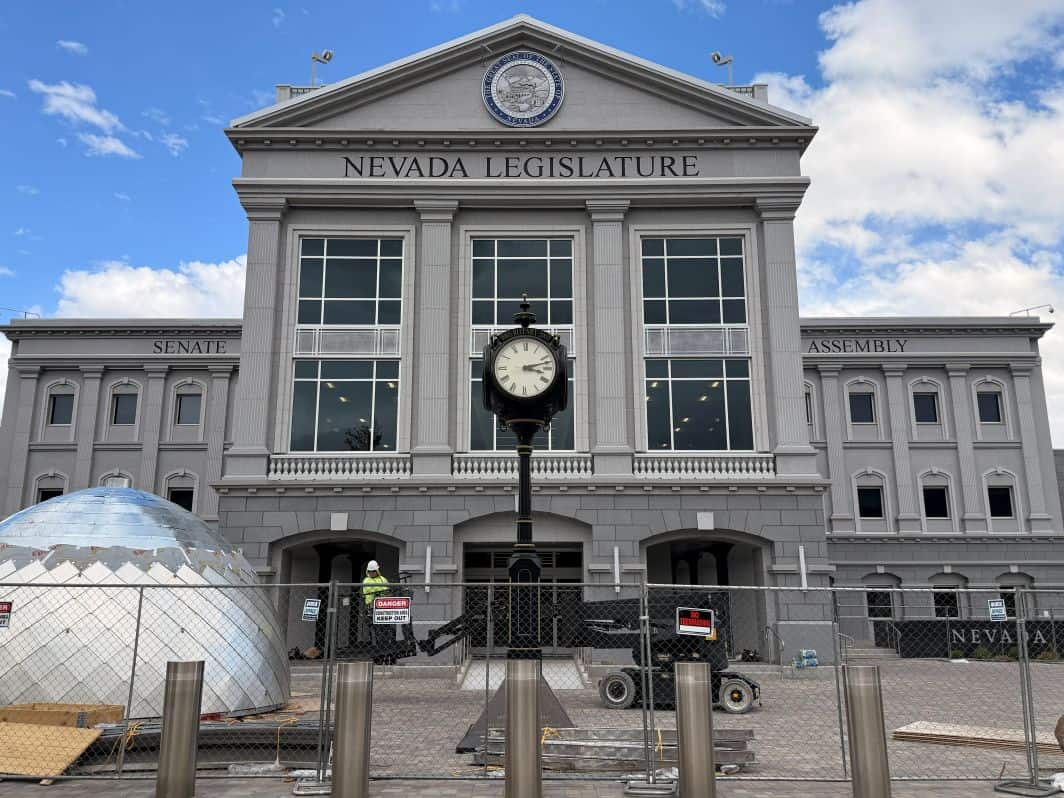
- The Nevada Assembly consists of 42 members
- The Nevada Senate includes 21 members
- Legislative sessions occur every two years
This move reflects Nevada’s growth and the need for more functional space as the state expanded.
The Supreme Court Has Its Own Space
The Nevada Supreme Court also operates from a separate building, rather than inside the original capitol.
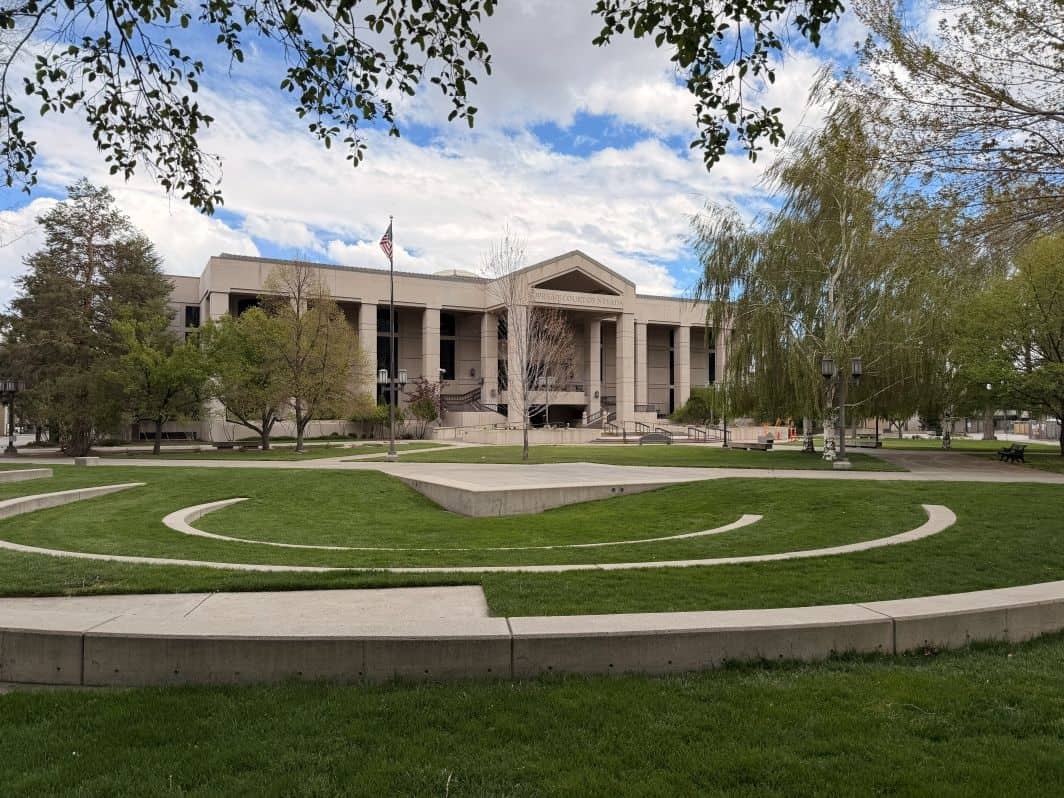
This separation of powers across multiple buildings creates a campus-like feel in Carson City, where each branch of government has its own dedicated space.
Who Still Works Inside the Nevada State Capitol
Even though many of Nevada’s legislative functions have moved to nearby buildings, the Nevada State Capitol is far from empty. In fact, it still plays an active role in the state’s government.
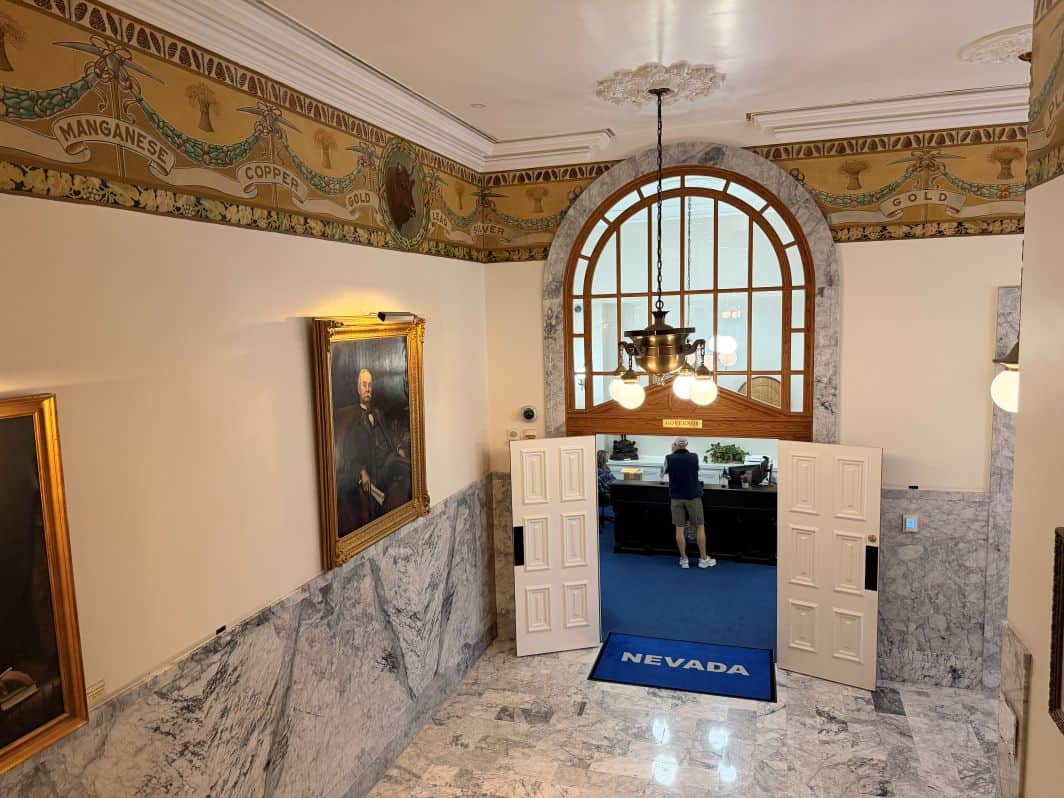
Several key offices remain inside the historic building, including the Governor’s Office, the Lieutenant Governor’s Office, and the Secretary of State’s Office. These spaces keep the Capitol connected to the day-to-day operations of Nevada’s leadership, blending history with modern governance.
As you walk through the building, it’s a reminder that this isn’t just a preserved landmark. It’s a working Capitol where important decisions are still made, carrying forward Nevada’s story in real time.
The Original Senate and Assembly Chambers
Even though the legislative bodies have moved out, the original Senate and Assembly rooms remain one of the highlights of visiting the Nevada State Capitol.
Walking into these historic chambers feels like stepping back in time.
Today, these rooms serve a new purpose: preserving and sharing Nevada’s story.
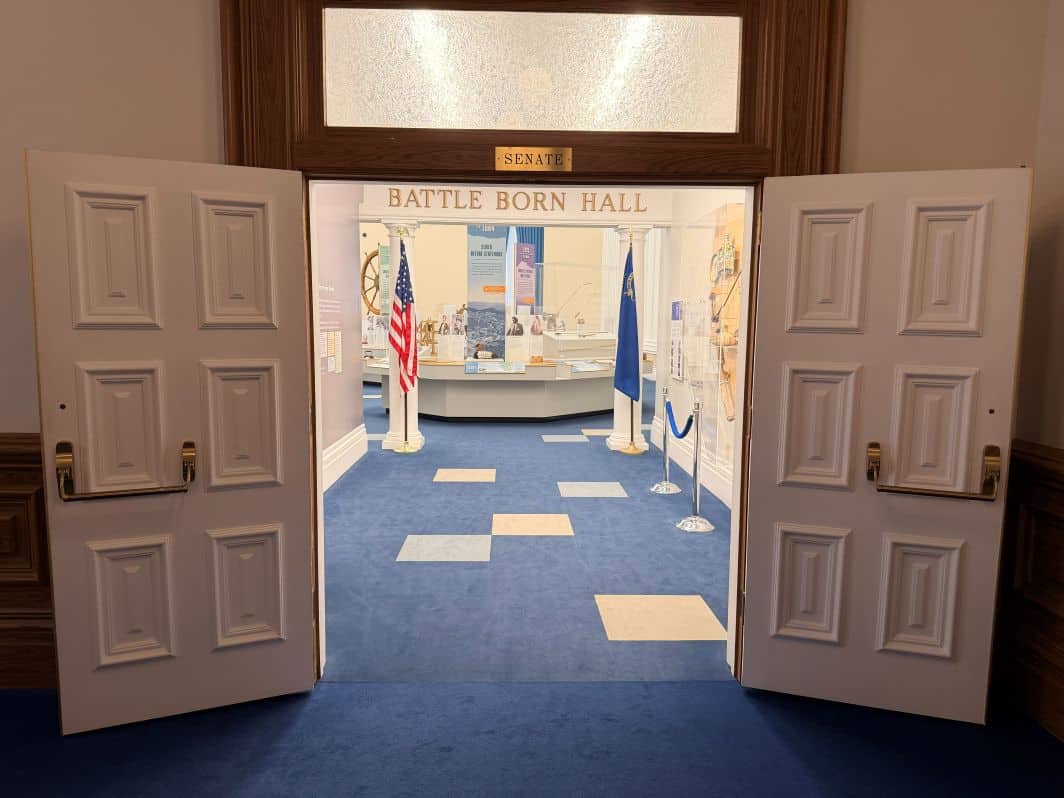
Instead of active debates and legislation, you’ll find exhibits that highlight:
- Nevada’s path to statehood
- The influence of mining and the “Silver State” identity
- Political history and key moments in governance
There’s something special about standing in a place that once shaped the future of a state and now helps tell its story.
The Nevada State Capitol Annex
While the main Capitol building may surprise visitors with the absence of an interior dome, the connected Annex offers a bit of a twist.
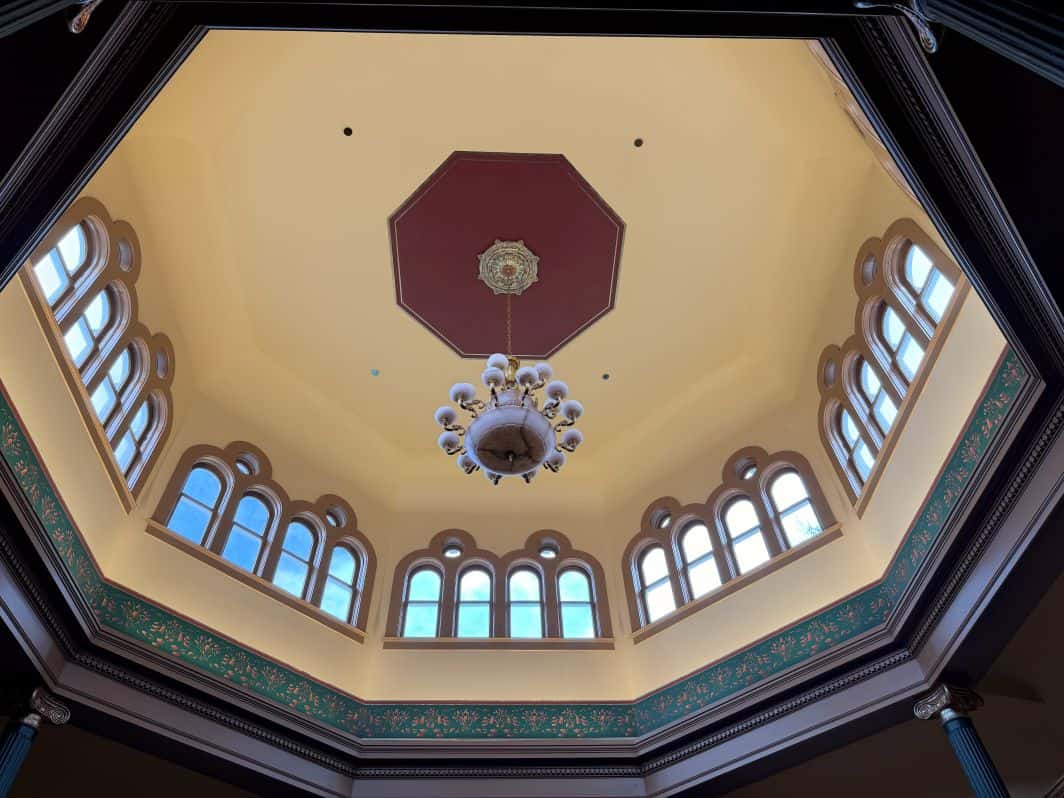
Step inside, and you’ll find something you might have expected in the original building: a dome you can actually look up into.
This area is usually locked, but a member of the Capitol Police shared it with us.
It turned into one of those unexpected travel moments; an experience we never planned for, yet one that made the visit even more memorable. It’s a reminder that sometimes the best parts of travel aren’t on the itinerary, but in the conversations and connections along the way.
Monuments That Tell Nevada’s Story
The grounds surrounding the Nevada State Capitol are filled with detailed and meaningful monuments that reflect the state’s history, values, and people.
Notable Monuments to Explore
As you walk the grounds, you’ll come across several powerful tributes, among them are:
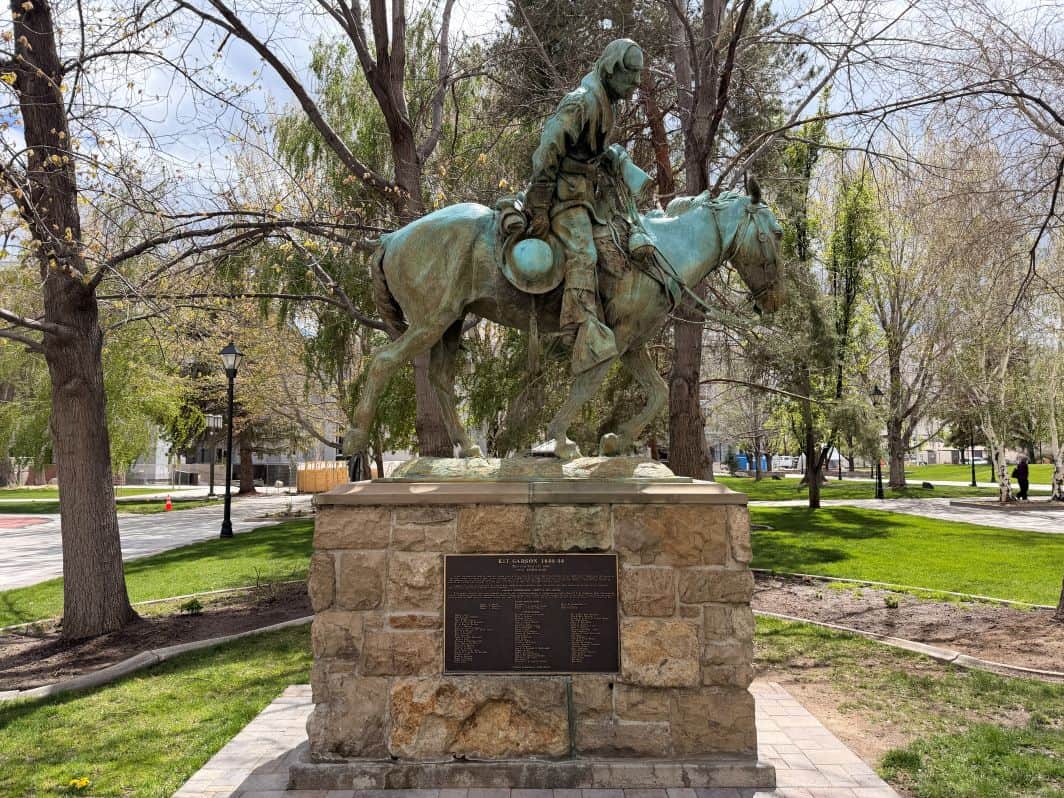
- The Kit Carson statue, honoring the famed frontiersman and explorer
- The Tribute to Nevada Miners, recognizing the industry that shaped the state
- The Nevada Law Enforcement Officers Memorial
- The State of Nevada Firefighters Memorial
The firefighters memorial, in particular, stood out to us.
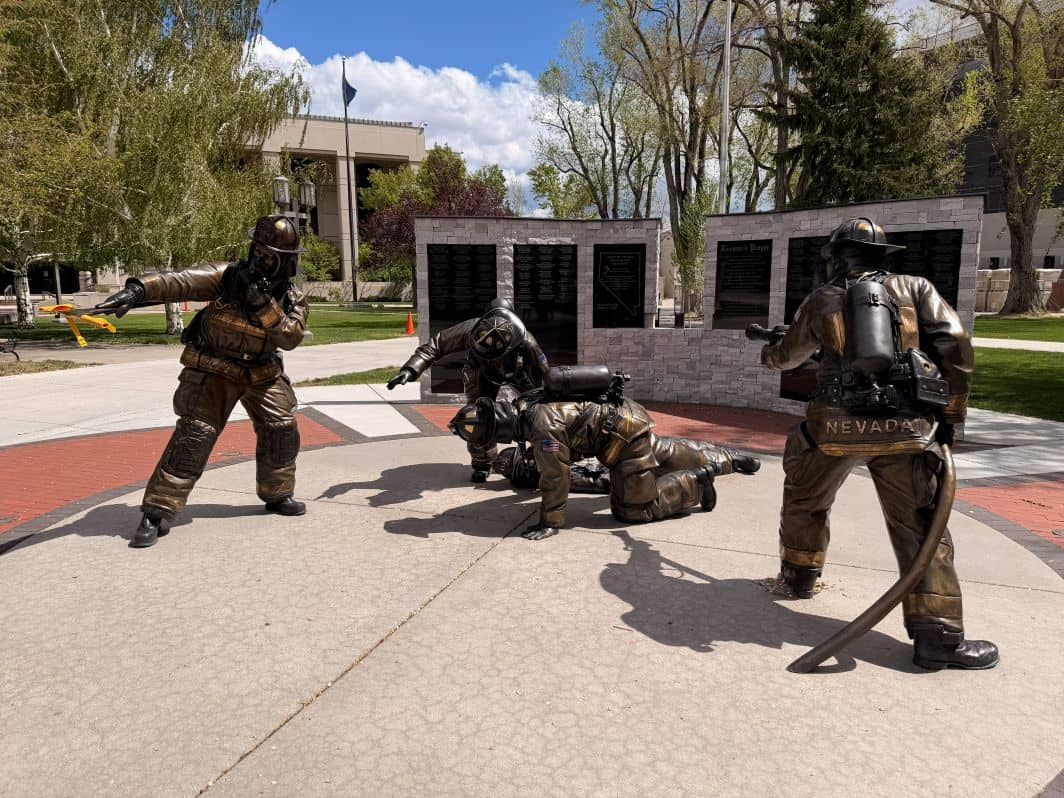
The craftsmanship is so detailed that the statues feel almost lifelike.
You can see the emotion in their expressions; it’s as if the story is unfolding right in front of you.
These monuments don’t just decorate the grounds, they invite reflection.
Words Set in Stone: Nevada’s Constitutional Pride
As we continued walking, we came across something that made us pause.
Etched into the concrete were the words:
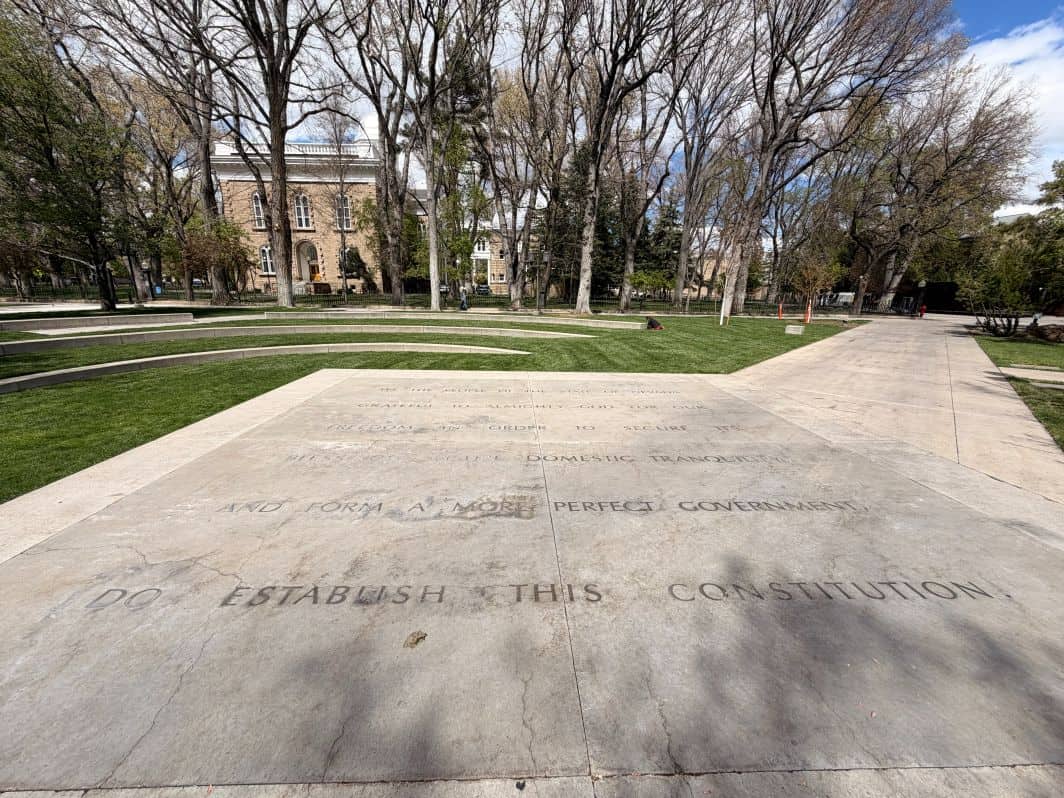
“We the people of the state of Nevada, grateful to almighty God for our freedom, in order to secure its blessings, insure domestic tranquility, and form a more perfect government, do establish this constitution.”
Seeing these words outside, under the open sky, adds a different kind of weight to them.
They’re not hidden inside a building; they’re part of the landscape.
A constant reminder of the principles that guided Nevada into statehood on October 31, 1864.
Beyond the Capitol: Exploring Nearby Historic Sites
One of the best parts of visiting the Nevada State Capitol is how much there is to explore within walking distance.
The Nevada State Museum and the Replica Liberty Bell
Just a few blocks away, you’ll find the Nevada State Museum, a stop that adds even more depth to your experience.
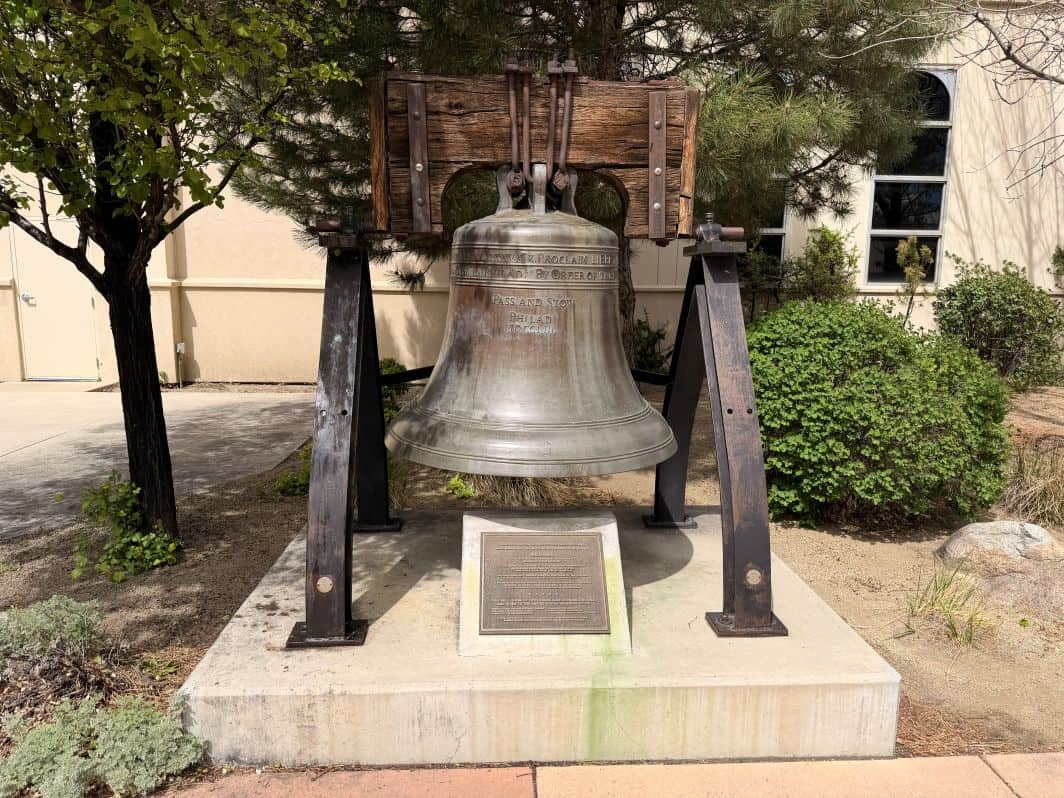
Here, we discovered a replica of the Liberty Bell, one of several distributed across the United States as symbols of freedom and unity.
This particular replica was the fifth produced, something you can spot in the etching on the bell itself.
We love including discoveries like this in each Capitol visit, as they reveal unexpected details that enhance the experience.
The Nevada State Outline in Concrete
While walking around the area, keep an eye on the ground, literally.
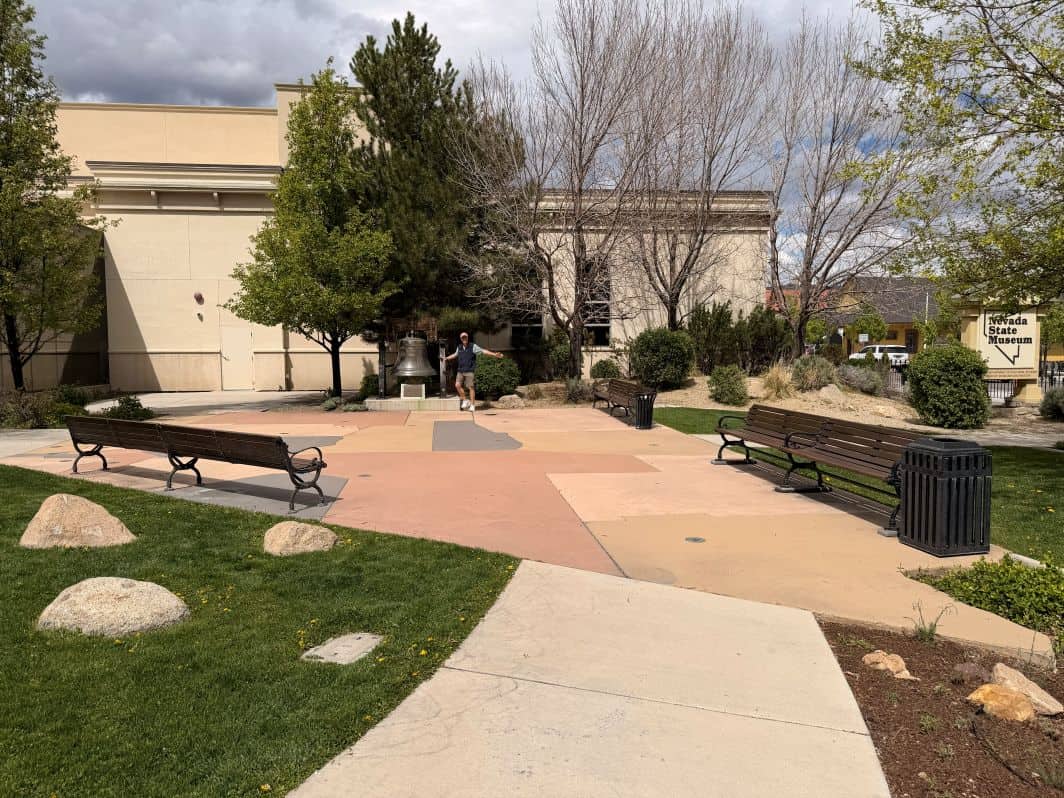
One of the most unique and easily overlooked features is the outline of the state of Nevada embedded in the concrete. Within that outline, you’ll find details marking:
- Each county
- Their respective county seats
It’s an interactive and educational feature that invites you to slow down and explore in a different way.
The Governor’s Mansion
A few blocks from the capitol sits the Nevada Governor’s Mansion.
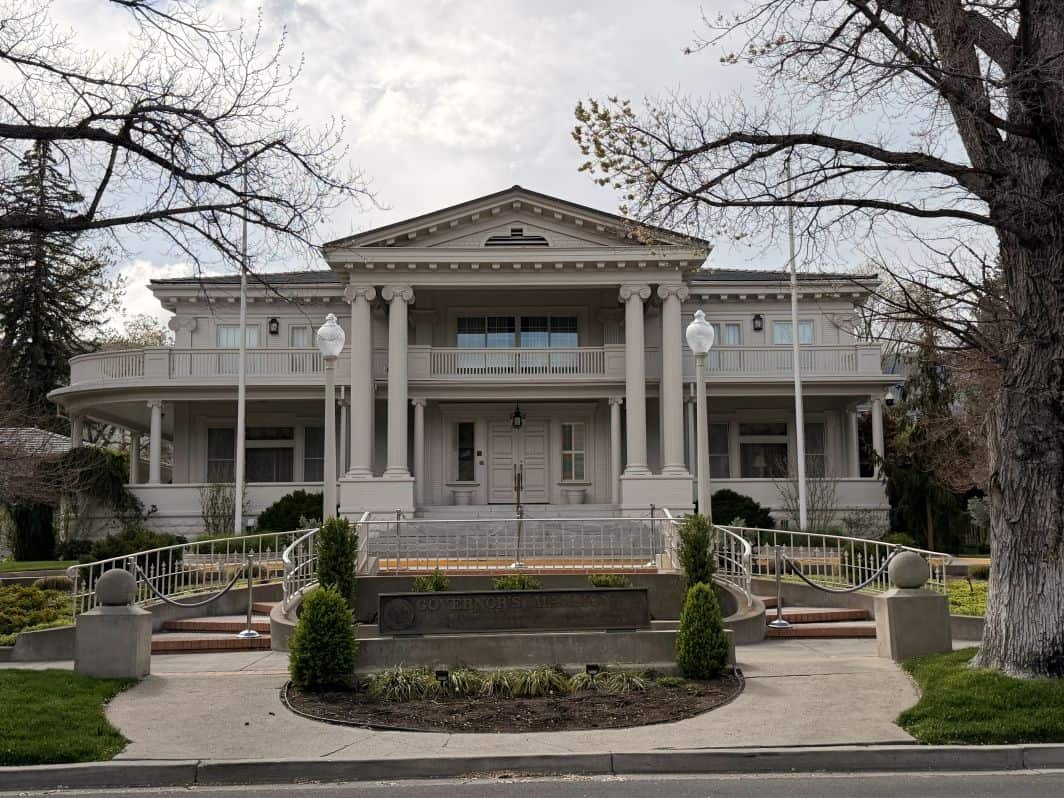
While access may be limited depending on timing, just seeing the exterior adds another layer to your understanding of Nevada’s government and history.
It’s another reminder that in Carson City, everything feels connected, walkable, and rich with meaning.
The Power of Conversation: Learning from the People You Meet
One of the most memorable parts of our visit didn’t come from a plaque or exhibit, it came from a conversation.
There aren’t always guided tours readily available at the Nevada State Capitol. But that doesn’t mean you won’t learn something incredible.
We had the opportunity to speak with a member of the Capitol Police, and that conversation brought the entire experience to life.
He shared insights, stories, and details we never would have discovered on our own.
It was a powerful reminder of something we’ve learned again and again through travel:
When you ask questions and engage with people, your experience transforms.
You move beyond observation and into connection.
And more often than not, you’ll meet kind, knowledgeable, and passionate individuals who are eager to share what they know.
Why the Nevada State Capitol Stands Out Among U.S. Capitols
After visiting many state capitols, it’s easy to start expecting certain similarities: grand staircases, towering domes, expansive rotundas.
But the Nevada State Capitol challenges those expectations.
And that’s exactly why it stands out.
What Makes it Unique
- No interior dome or rotunda due to earthquake-related structural decisions
- A multi-building government complex with separate legislative and judicial spaces
- Historic chambers repurposed into educational exhibits
- Walkable access to museums, monuments, and historic landmarks
- Subtle but meaningful details like the state outline and constitutional engravings
This isn’t a capitol that overwhelms you with scale.
It’s one that invites you to look closer.
Travel Tips for Visiting the Nevada State Capitol
If you’re planning your own visit, here are a few tips to help you make the most of your experience:
Plan for a Walking Experience
Everything is within a few blocks, so wear comfortable shoes and give yourself time to explore beyond just the capitol building.
Ask Questions
Even without a formal tour, don’t hesitate to talk to staff or officers. You never know what you might learn.
Don’t Rush
Some of the best features, like the concrete state outline or engraved text, are easy to miss if you’re moving too quickly.
Pair It with Nearby Attractions
Make sure to include stops like the Nevada State Museum and surrounding monuments to get the full experience.
FAQs About the Nevada State Capitol
When was the Nevada State Capitol built?
Construction began in 1870 and was completed in 1871.
Why doesn’t the Nevada State Capitol have an interior dome?
Structural concerns and earthquake safety led to the interior dome being closed during renovations.
Where does the Nevada Legislature meet today?
The Senate and Assembly now meet in a separate legislative building near the Capitol. Those spaces are available to tour as well.
Final Thoughts: A Capitol That Teaches You to Look Deeper
Visiting the Nevada State Capitol reminded us that not every meaningful place needs to feel grand to leave an impact.
At first glance, it may seem as if something is missing: no towering dome, no dramatic rotunda, no larger-than-life presence. But as you explore deeper, you begin to realize that nothing is actually missing at all.
This Capitol reflects a different kind of strength. One rooted in purpose, shaped by history, and carried forward through the people and decisions that continue within its walls.
It’s a powerful reminder that in travel, and in life, it’s easy to expect the biggest moments to come from the most obvious places. But sometimes, the most meaningful experiences are quieter, more subtle, and found when you’re willing to look a little closer.
And in that way, Nevada’s Capitol doesn’t just tell the story of a state.
It invites you to rethink what truly makes something memorable.
💡 Continue the Journey: The U.S. Capitols Challenge
This visit is just one stop on our journey to explore every state capitol across the United States.
Each one has its own story.
Its own personality.
Its own lessons.
👉 Be sure to explore our full U.S. Capitols Challenge to see where we’ve been and where we’re headed next.
Travel Resources to Plan Your Own Capitol Adventure
Ready to start your own journey?
We’ve put together a list of trusted travel tools, from flights and hotels to planning resources, to help you explore with confidence.
👉 Check out our Travel Resources page and start planning your next adventure today.
Join Mind Set On Travel on Pinterest and Facebook for more travel inspiration, mindset tools, and expert tips!
Affiliate Disclosure
Mind Set On Travel may contain affiliate links to products and services, including Amazon affiliate links. If you make a purchase using one of our links, we may receive compensation at no additional cost to you. This helps support our work and allows us to continue sharing travel tips, resources, and mindset stories.
As an Amazon Associate, we earn from qualifying purchases.
Thank you for supporting Mind Set On Travel!
Read our full disclaimer here.